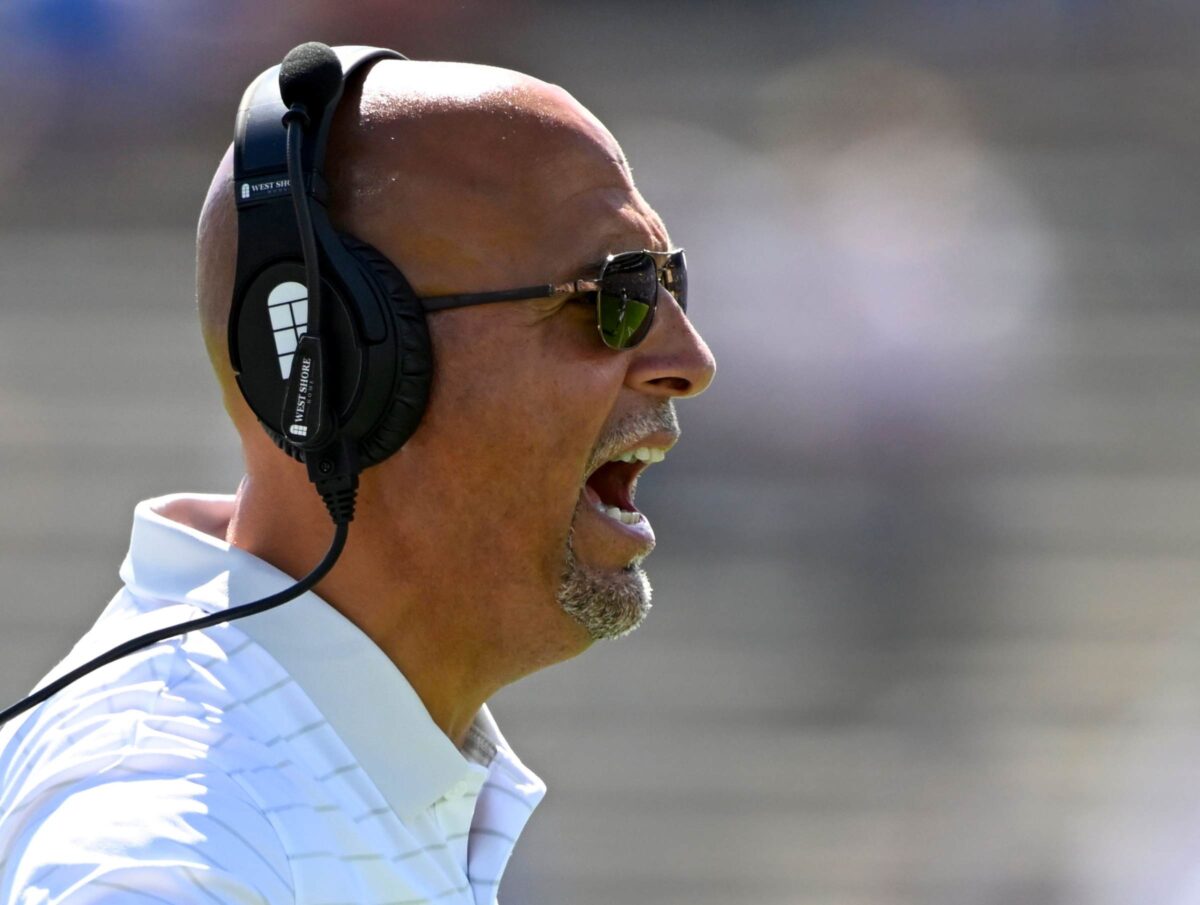
Friday Night Lights in Charlottesville #8 Florida State (3-0) at Virginia (3-1) Scott Stadium, Charlottesville, VA Friday, September 26, 2025 – 7:00 PM ET
The Storylines
Florida State: From Disaster to Dynasty (Again)
The Seminoles have authored one of the most remarkable turnarounds in recent college football history. After a catastrophic 2-10 season in 2024 that saw them get outgained by 115.6 yards per game and score just 270.3 yards of total offense per contest, FSU has exploded onto the scene in 2025.
2025 Statistical Dominance:
628.7 yards per game of total offense (+358.4 from 2024!)
248.0 yards allowed per game on defense (-137.9 improvement)
+380.7 yard differential per game (a staggering +496.3 swing from 2024)
363.0 rushing yards per game (up from an anemic 89.9 in 2024)
The Seminoles announced their arrival with a stunning 31-17 victory over #8 Alabama in the season opener, then followed with dominant blowouts of East Texas A&M (77-3) and Kent State (66-10). This is a program that has found its identity again after losing it completely in 2024.
Virginia: Tony Elliott Finally Breaks Through
Cavaliers head coach Tony Elliott entered 2025 as high as #7 on coaching hot seat rankings after years of mediocrity in Charlottesville. Four games into the season, he’s likely secured his job for years to come with an equally impressive transformation.
Virginia’s Renaissance:
564.5 yards per game of total offense (up 56% from 360.9 in 2024)
313.5 yards allowed per game (-23% improvement from 408.3)
+251.0 yard differential per game (up from -47.4 in 2024)
251.5 rushing yards per game (+91% improvement from 131.9)
Elliott’s squad has posted signature wins over Coastal Carolina (48-7), William & Mary (55-16), and Stanford (48-20), with their only loss coming in a competitive 31-35 defeat to NC State.
Key Matchup Battles
Rushing Attacks vs. Run Defenses
This could be the decisive factor. Both teams have transformed their ground games into elite units:
Florida State’s rushing explosion has been the key to their offensive transformation, while Virginia has found a balanced attack that keeps defenses honest. However, FSU’s run defense has been even more dominant, allowing just 78.3 yards per game.
Quarterback Play
Florida State appears to have solved their 2024 quarterback carousel that featured struggling performances from D.J. Uiagalelei, Brock Glenn, and Luke Kromenhoek. The 2025 passing efficiency (70.7% completion rate, 265.7 ypg) suggests they’ve found their answer.
Virginia’s Anthony Colandrea has taken a massive step forward from his inconsistent 2024 (61.9% completion, 13 TD/11 INT) to become a precise, efficient leader (67.8% completion rate, 313.0 ypg).
Explosive Play Potential
Both offenses are now averaging over 7.0 yards per play (FSU: 8.9, UVA: 7.2), a massive increase from their 2024 struggles. The team that creates more explosive plays will likely control this high-scoring affair.
What’s At Stake
For Florida State
Undefeated season and potential playoff positioning
National credibility after the 2024 embarrassment
ACC Championship aspirations in their first year back to form
Momentum heading into the meat of their ACC schedule
For Virginia
Program validation under Tony Elliott’s leadership
ACC relevance for the first time in years
Upset potential against a ranked opponent at home
Continued hot seat relief for Elliott with a signature win
For Both Programs
This game represents the collision of two remarkable coaching turnarounds. Both Mike Norvell at FSU and Tony Elliott at UVA were facing serious questions about their futures just months ago. Now they’re leading two of the most improved teams in college football.
The Prediction
Florida State 38, Virginia 28
This should be an instant classic between two explosive offenses. FSU’s slightly more dominant statistical profile and their experience against elite competition (Alabama) give them the edge. Still, Virginia’s home field advantage and newfound confidence make this much closer than the rankings suggest.
Expect a track meet with over 1,100 total yards of offense between these two teams. The difference will likely come down to a few explosive plays and which team can get a crucial stop when needed.
Keys to Victory:
FSU: Establish the rushing attack early and force Virginia into a one-dimensional passing game
UVA: Use home crowd energy to create early momentum and keep pace in what should be a high-scoring affair
Both programs have gone from coaching hot seats to legitimate contenders in remarkable fashion. Tonight’s winner takes a massive step toward ACC Championship contention.
Cal coach Justin Wilcox started this season at #15 on our Coaches Hot Seat Rankings. This week, he sits at #41.
Cal supporters were calling for his firing. Eight years of mediocrity had worn thin on a fanbase that remembered the Jeff Tedford glory days. The move to the ACC felt like a desperate attempt to save a program—and a coach—that had lost its way.
Three games into the 2025 season, Wilcox isn’t just off the hot seat.
He’s got Cal positioned as a legitimate ACC championship contender.
The Numbers Don’t Lie
Let’s start with what actually matters: results.
2024 Cal: 6-7 record, including a bowl loss. Mediocre on both sides of the ball.
2025 Cal: 3-0 with statement wins, including a road victory at Oregon State and a home domination of Big Ten’s Minnesota.
But here’s where it gets interesting—the statistical transformation is unprecedented.
This isn’t a marginal improvement. This is a systematic transformation.
The Schedule That Changes Everything
Here’s where Wilcox caught lightning in a bottle: Cal’s ACC scheduling rotation.
Teams Cal AVOIDS in 2025: Clemson, Miami, Florida State, Georgia Tech, NC State, Pittsburgh, Syracuse, Wake Forest.
Teams Cal PLAYS in ACC action:
@ Boston College
vs Duke (ACC home opener)
vs North Carolina (Bill Belichick’s debut season)
@ Virginia Tech
vs Virginia
@ Louisville (their toughest road test)
@ Stanford (Big Game rivalry)
vs SMU (potential title game preview)
Look at that list again.
Cal avoided every single ACC powerhouse except SMU—and they get the Mustangs at home in the regular season finale.
The Hot Seat Parallel That Should Terrify Sean Lewis
While Wilcox has engineered one of the most dramatic coaching turnarounds in recent memory, his Week 4 opponent represents the opposite trajectory.
Sean Lewis at San Diego State:
Started at #41 on our Hot Seat Rankings
Now sitting at #17 and climbing
His “AztecFAST” offense has somehow gotten WORSE in Year 2
The Numbers:
2024 SDSU: 19.5 points per game (terrible)
2025 SDSU: 15.5 points per game (historically bad)
Point Differential: -8.3 (2024) → -3.0 (2025)*
*Only improved because their defense got dramatically better while the offense cratered
The Fan Revolt: Season ticket sales down 33%. The program handed out 4,000 free tickets to get bodies in seats for Cal’s visit. Lewis is exhibiting all the warning signs of a coach about to be fired mid-season.
Saturday’s Matchup: Cal (24.3 ppg, elite defense) vs SDSU (15.5 ppg, historically bad offense)
This should be a statement win that propels Cal toward ACC title contention.
The Path to Charlotte
Here’s the reality that nobody wants to talk about: Cal has a legitimate path to the ACC Championship Game.
The New Format: No divisions. The two teams with the best ACC conference records play for the title.
Cal’s Realistic Projection:
Likely Wins (5 games): Boston College, Duke, Virginia Tech, Virginia, Stanford
Toss-ups (2 games): North Carolina (Belichick’s first year chaos), Louisville (road)
Statement Game (1 game): SMU at home in finale
Path to 7-1 in ACC play: Beat the teams you should beat, split the toss-ups, and upset SMU at home.
Path to 6-2 in ACC play: Same as above, but lose one of the “sure things.”
Either record likely gets Cal to Charlotte.
The Transformation Timeline
January 2025: Cal supporters want Wilcox fired
March 2025: Wilcox at #15 on Hot Seat Rankings
September 2025: Cal 3-0 with the most improved defense in college football
December 2025: Playing for an ACC Championship?
This is what great coaching looks like when everything clicks.
Wilcox didn’t just make cosmetic changes. He fundamentally transformed the identity of his program. The defense that was giving up 421+ yards per game in 2024 is now allowing just 280 yards in 2025—that’s the kind of year-over-year improvement that typically takes multiple recruiting cycles and scheme overhauls.
The Foster Parallel
Remember our piece on DeShaun Foster’s situation at UCLA? The parallels between Foster’s final days and Sean Lewis’s current predicament at San Diego State are striking:
Initial optimism followed by spectacular failure
Gimmicky offensive systems that don’t work
Fan revolts and administrative pressure
Players transferring out
But Wilcox represents the opposite trajectory.
Sometimes a coach on the hot seat doesn’t need to be fired—he needs to be challenged. The move to the ACC, the pressure from fans, the make-or-break moment seemed to unlock something in Wilcox that eight years at Cal hadn’t revealed.
The Bottom Line
Justin Wilcox started 2025 fighting for his job.
He might end it fighting for a conference championship.
The statistical improvements aren’t flukes. The schedule isn’t luck—it’s opportunity. The wins aren’t accidents—they’re the result of systematic program transformation.
Cal’s defense has improved by 141 yards per game. Their offense is more efficient. Their quarterback play is steady. Their coaching is sharp.
Most importantly, they avoid Clemson, Miami, and the ACC’s elite tier while getting most of their challenging games at home.
Prediction: Cal goes 6-2 or 7-1 in ACC play and plays for the conference championship.
Hot Seat Status: Wilcox isn’t just off our rankings—he’s building a program that could compete at the highest level for years to come.
Sometimes, the coach everyone wants fired is exactly the coach who needed the proper support and circumstances to succeed.
As spring practice concludes in Ann Arbor, the Michigan Wolverines find themselves at a fascinating crossroads.
Following a rollercoaster 2024 campaign that ended with an 8-5 record, second-year head coach Sherrone Moore faces the challenge of recapturing the program’s championship form while integrating a wealth of new talent and implementing significant schematic changes.
The 2024 season will be remembered as a tale of two halves:
A disappointing 5-5 start that had fans questioning the program’s direction
Stunning upsets over No. 2 Ohio State (13-10) and No. 11 Alabama (19-13) to close the year
Michigan is the only program to defeat Alabama twice in one calendar year
A late-season surge that injected renewed optimism into a program that had struggled with consistency
These dramatic season-ending victories completely transformed the narrative around Michigan football heading into 2025.
Michigan’s 2025 campaign will hinge on how quickly the offense can develop around its new quarterback and whether the defense can maintain its late-2024 form. The program’s trajectory remains positive, but the margin for error in a tougher Big Ten is slim.
Have you ever seen a program pin its entire hopes on the shoulders of an 18-year-old quarterback?
All eyes in Ann Arbor are fixed on five-star freshman quarterback Bryce Underwood, the No. 1 overall recruit in the 2025 class and the highest-rated signee in Michigan history.
Underwood’s arrival represents both immense opportunity and significant pressure. The dual-threat signal-caller is widely expected to start immediately despite his youth. His elite talent brings an electricity to Michigan that the program desperately needs after a disappointing offensive showing in 2024.
What makes Underwood’s situation different from other freshman quarterbacks?
He joins a program just one year removed from a national championship
Michigan’s passing attack ranked a dismal 131st nationally in 2024 (129.1 yards per game)
Experienced transfer Mikey Keene (Fresno State/UCF) provides insurance and mentorship
Most analysts expect Underwood to win the starting job immediately
“The quarterback situation is widely viewed as the key to Michigan’s 2025 ceiling,” according to the program’s internal analysis. “If Underwood adapts quickly and the offense improves, Michigan could contend for a Big Ten title and a playoff spot.”
Rarely has a true freshman quarterback shouldered such immediate expectations at a blue-blood program.
Michigan’s offense underwent a complete metamorphosis following one of the worst passing attacks in program history.
The offensive struggles that plagued Michigan in 2024 (113th nationally in scoring at 22.0 points per game) prompted significant changes, beginning with the arrival of new offensive coordinator Chip Lindsey from North Carolina.
Lindsey’s arrival marks a philosophical shift in Ann Arbor. His track record shows a commitment to balanced, explosive attacks. His 2023 UNC offense was one of only two nationally to average at least 290 passing yards and 190 rushing yards per game, showcasing his ability to create dynamic, unpredictable offensive systems.
The early returns from spring practice are promising:
Sophomore receiver Semaj Morgan called the new system “night and day” compared to last year’s approach
The new scheme emphasizes more wide receiver sets instead of heavy, predictable formations
Greater route diversity and vertical passing concepts create more explosive play opportunities
Running backs will be more involved in the passing game, creating mismatches
Supporting the passing game renaissance are new weapons with size and athleticism:
Indiana transfer Donovan McCulley (also 6-5) adds experienced size
Jordan Marshall (who starred in the Alabama bowl victory) returns in the backfield
Alabama transfer Justice Haynes joins to form a powerful one-two punch at running back
While returning experienced pieces like Giovanni El-Hadi, the offensive line must improve its consistency to protect Underwood and establish the physical run game that remains central to Michigan’s identity.
Five-star freshman Andrew Babalola and borderline five-star Ty Haywood could push for early playing time and inject immediate talent into this critical unit.
While the offense rebuilds, Michigan’s defense remains the program’s unshakeable foundation.
While the offense undergoes reconstruction, Michigan’s defense is poised to remain among the nation’s elite.
The 2024 unit allowed just 19.9 points per game (4th nationally) and held opponents to 3.1 yards per rush, showcasing the physical, suffocating style that has become the program’s calling card. Wink Martindale returns for his second season as defensive coordinator after engineering late-season masterpieces against Ohio State and Alabama that saved Michigan’s season.
What makes this defense special despite losing key pieces to the NFL?
The front seven projects to be especially formidable with returning stalwarts Rayshaun Benny, Derrick Moore, Jaishawn Barham, and Ernest Hausmann
Despite losing unanimous All-American Mason Graham, the defensive line boasts significant depth and talent.
While younger and less experienced, the secondary will rely on developing stars and incoming freshmen like four-star signees Shamari Earls, Elijah Dotson, and Kainoa Winston.
Coaching continuity in Martindale’s NFL-derived scheme provides a critical foundation.
Michigan’s defensive identity perfectly complements the program’s physical ethos and should keep the Wolverines competitive even through potential offensive growing pains early in the season.
The defense isn’t just good—it’s championship caliber.
Never underestimate the impact of elite special teams in a season defined by tight margins.
Michigan’s special teams unit, anchored by returning All-American kicker Dominic Zvada, is often overlooked but is critically important to its success.
In 2024, Zvada converted an exceptional 21 of 22 field goals (95.5%) and 26 of 27 extra points (96.3%), providing reliability in close games and a consistent weapon when the offense stalled in the red zone. His clutch performances in the Ohio State and Alabama victories underscored his value to the program.
Beyond the kicking game, Michigan’s special teams provide additional advantages:
The return game features explosive options in sophomores Semaj Morgan and Jordan Marshall
These playmakers add another dimension to Michigan’s ability to flip field position
Strong special teams can create scoring opportunities when the offense struggles
In a conference with narrow margins, special teams excellence can be the difference between victory and defeat
Michigan’s emphasis on special teams excellence reflects the program’s attention to detail and commitment to winning in all three game phases.
The 2025 schedule presents a gauntlet that would challenge even the most experienced teams.
Any assessment of Michigan’s 2025 outlook must account for a challenging schedule that offers few reprieves.
Early road tests at Oklahoma (September 6) and Nebraska (September 20) will immediately test Underwood’s development and the team’s ability to execute in hostile environments. The conference slate includes road games at USC and Michigan State, home contests against Washington and a season finale with archrival Ohio State.
What makes this schedule particularly daunting:
No consecutive home games appear anywhere on the schedule
The constant home/away alternation complicates recovery and momentum
Early road tests come before the team has fully established its identity
Four of Michigan’s opponents are projected preseason top 25 teams
The Ohio State finale comes after a long, grueling season
CBS Sports projects an 8-4 record for the Wolverines, citing roster turnover and the difficult schedule as primary factors. This conservative projection reflects the reality that even talented teams often struggle with consistency when facing elite competition week after week.
Navigating this schedule successfully would validate Michigan’s talent and coaching in a way that would resonate nationally.
For Coach Sherrone Moore, 2025 isn’t just another season—it’s the ultimate referendum on his leadership.
For Coach Sherrone Moore, 2025 represents a critical proving ground defining his tenure at Michigan.
While his job is secure following the program’s strong finish to 2024 and recruiting success (the 2025 class ranked No. 6 nationally), expectations have risen significantly. Moore ranks 14th out of 18 Big Ten coaches in USA Today’s 2025 rankings, reflecting skepticism about his inexperience despite his impressive recruiting wins.
The challenge is multifaceted:
Moore must establish his own identity separate from Jim Harbaugh’s legacy
His offensive coordinator hire (Chip Lindsey) represents a significant philosophical shift
Managing a five-star quarterback’s development requires delicate handling
The expanded Big Ten presents new challenges and unfamiliar opponents
He must navigate a two-game self-imposed suspension due to fallout from the 2023 sign-stealing scandal
This early-season absence could impact the team’s development, particularly with a young quarterback. How Moore handles these challenges will reveal whether he’s merely a caretaker of Harbaugh’s program or a championship-caliber head coach in his own right.
The verdict on Moore’s leadership will emerge through how Michigan responds to adversity in 2025.
The answers to these five questions will determine whether Michigan contends for championships or faces another rebuilding year.
Several critical questions will shape Michigan’s 2025 campaign:
How quickly can Bryce Underwood develop? The ceiling for this team largely depends on whether the freshman phenom can translate his immense talent to college production immediately. The history of true freshman quarterbacks suggests caution, but Underwood’s talent is undeniable.
Will Chip Lindsey’s offensive overhaul yield immediate results? After ranking 131st in passing, Michigan needs dramatic improvement to compete with Big Ten powers. Schematic changes take time, but the talent influx could accelerate the transition.
Can the defense maintain elite production despite key departures? The front seven appears loaded, but secondary depth and consistency remain concerns. Martindale’s second year should bring greater comfort in his system.
Will the offensive line provide adequate protection for a freshman quarterback? This unit’s performance directly impacts Underwood’s development and the effectiveness of the rushing attack. The line must improve from its inconsistent 2024 performance.
Can Michigan navigate the brutal road schedule? Games at Oklahoma, Nebraska, and USC represent significant challenges, particularly for a team breaking in new offensive systems. Road performance often separates good teams from great ones.
The answers to these questions will emerge gradually, but early-season performances will provide critical clues about Michigan’s trajectory.
Michigan stands poised between immediate resurgence and patient program building.
The contrast between optimism and caution defines Michigan’s 2025 outlook.
The influx of elite talent, particularly at quarterback, and the late-season momentum from 2024 suggest Michigan could quickly return to championship contention. Conversely, combining youth at key positions, a new offensive system, and a challenging schedule indicates potential growing pains.
What makes Michigan’s situation so compelling?
They’re just one year removed from a national championship
They possess championship-caliber defensive talent
They landed the nation’s No. 1 recruit at the sport’s most important position
They improved significantly at offensive coordinator
They face one of the nation’s most challenging schedules
They’re led by a head coach still establishing his identity
The talent level in Ann Arbor remains championship-caliber, the defensive identity remains strong, and the offensive ceiling is substantially higher than in 2024.
Whether Michigan can meet those expectations in 2025 or whether fans must practice patience for another season represents the defining storyline as the Wolverines embark on a new era under Sherrone Moore’s leadership, powered by a generational talent in Bryce Underwood.
Michigan’s 2025 season could ultimately be remembered as the beginning of a new dynasty or the necessary growing pains before one.
The Next Billion Dollar Game
College football isn’t just a sport anymore—it’s a high-stakes market where information asymmetry separates winners from losers. While the average fan sees only what happens between the sidelines, real insiders trade on the hidden dynamics reshaping programs from the inside out.
Our team has embedded with the power brokers who run this game. From the coaching carousel to NIL deals to transfer portal strategies, we’ve mapped the entire ecosystem with the kind of obsessive detail that would make a hedge fund analyst blush.
Why subscribe? Because in markets this inefficient, information creates alpha. Our subscribers knew which coaches were dead men walking months before the mainstream media caught on. They understood which programs were quietly transforming their recruiting apparatuses while competitors slept.
The smart money is already positioning for 2025. Are you?
Click below—it’s free—and join the small group of people who understand the real value of college football’s new economy.
The Tulsa Golden Hurricane is about to rise from the ashes of a disastrous 2024 campaign.
After limping to a 3-9 record (1-7 in AAC play) and fielding one of the worst defensive units in college football last season, Tulsa decided to dismiss Kevin Wilson after just two seasons at the helm. In his place steps Tre Lamb, a 35-year-old coaching wunderkind with a proven track record of program transformation and a reputation for quick turnarounds.
The question on everyone’s mind: Can Lamb resurrect a program that ranked 131st out of 133 FBS teams in total defense last year?
The Pain Points That Derailed 2024
Defensive collapse doesn’t begin to describe what happened to Tulsa football last season.
The Golden Hurricane surrendered a staggering 496.8 yards per game, with their pass defense leaking 316.0 yards per contest through the air. These weren’t just bad numbers—they represented a complete defensive meltdown that undermined any chance of competitive play in the American Athletic Conference.
The 2024 season featured three exhilarating wins:
A 62-28 demolition of Northwestern State in the season opener
A heart-stopping 23-20 overtime victory against Louisiana Tech
A thrilling 46-45 Homecoming triumph over UTSA that gave fans momentary hope
But these bright spots were overwhelmed by crushing defeats that exposed Tulsa’s vulnerability:
A 45-10 dismantling by Oklahoma State that wasn’t even as close as the score suggests
A 49-7 annihilation by Army that highlighted fundamental defensive deficiencies
A season-ending 63-16 embarrassment against Florida Atlantic sealed Wilson’s fate
Nothing less than a complete defensive rebuild will suffice for 2025.
Why Tre Lamb Might Be The Perfect Solution
Tre Lamb doesn’t just build football programs—he transforms them with shocking speed.
Born September 16, 1989, in Calhoun, Georgia, Lamb arrives in Tulsa with an impressive résumé that showcases his ability to engineer immediate turnarounds. His coaching journey reveals a consistent pattern:
At Tennessee Tech, as offensive coordinator, he helped elevate the team from consecutive two-win seasons to a respectable 6-6 record in 2019
During his Gardner-Webb tenure (2020-2023), he delivered back-to-back conference championships and the program’s first-ever FCS playoff victory.
Most recently at East Tennessee State, he flipped a 3-8 team into a 7-5 contender in just one season.
Athletic Director Justin Moore couldn’t hide his enthusiasm when announcing Lamb’s hiring, stating, “He is young, energetic, and a proven winner. We feel he is exactly who we need to lead our program and restore a tradition of winning for Tulsa in this new era of college football.”
Though his 27-25 overall record (1-2 in NCAA Division I playoffs) comes primarily at the FCS level, Lamb’s consistent ability to revitalize struggling programs makes him an intriguing bet for a Tulsa program desperate for new energy.
His arrival represents more than just a coaching change—it signals the dawn of a new era.
The Coaching Brain Trust Built For Rapid Change
Lamb isn’t tackling this rebuilding project alone.
The new head coach has assembled a staff combining youthful energy with tactical expertise, each member carefully selected to address Tulsa’s most glaring weaknesses:
Ty Darlington (Co-Offensive Coordinator/Tight Ends Coach) adds schematic flexibility
Josh Reardon (Defensive Coordinator/Safeties Coach) faces the monumental task of rebuilding Tulsa’s porous defense
Mike Gray (Co-Defensive Coordinator/Linebackers Coach) provides additional defensive expertise
Kam Martin (Associate Head Coach/Running Backs Coach) rounds out the leadership team
This staff faces the complex challenge of implementing new systems while maximizing the talents of returning players and newcomers.
Their success will ultimately determine whether Lamb’s first season becomes the foundation for a program renaissance or just another false start.
Roster Reconstruction: The Talent Influx
No turnaround happens without an influx of new talent.
Tulsa’s 2025 roster reconstruction follows a dual approach, balancing high school recruiting with strategic transfer portal additions to address immediate needs and build for the future.
The Golden Hurricane secured 14 high school signees, with several standouts poised to make an impact:
Javion Antai (OL, 6’4″, 285 lbs) brings local talent and tremendous size from Jenks High School, OK
Hudson Ball (DE, 6’2″, 240 lbs) arrives from Shiloh Christian High School, AR, targeting Tulsa’s desperate need for defensive playmakers
Banks Bowen (QB, 6’3″, 208 lbs) represents the future under center, coming from Lawrence High School, KS
Even more promising are the immediate-impact transfers joining the program:
Micah Tease (WR) brings SEC-level athleticism from Texas A&M
Sevion Morrison (RB) provides Big 12 experience after his stint at Kansas
Byron Turner Jr. (DE) arrives from Florida State as a potential defensive game-changer
Integrating these new pieces—particularly the transfer portal additions on defense—will be crucial to any year-one improvement under Lamb’s leadership.
Their development represents the first test of the new coaching staff’s player development abilities.
Cleaning Up The NIL Mess
Behind the scenes, Tulsa must address the NIL controversy that plagued the program throughout 2024.
Multiple players, including quarterback Cooper Legas and linebacker Myles Jackson, publicly alleged that former coach Kevin Wilson made verbal promises regarding NIL compensation that were never fulfilled. Wilson denied these claims, creating a cloud of distrust that potentially affected team morale and performance.
To prevent similar issues moving forward, Tulsa has established more robust NIL frameworks:
Partnerships with platforms like INFLCR and Opendorse to facilitate legitimate sponsorship connections
Creation of the Golden Hurricane Exchange to connect student-athletes with potential sponsors
Establishment of Hurricane Impact, an independent nonprofit collective, to solicit and distribute NIL funds
How Lamb and the administration navigate this evolving landscape will significantly impact their ability to attract and retain top talent.
In today’s college football ecosystem, effective NIL management isn’t optional—it’s essential for program stability and competitive recruiting.
The 2025 Schedule: A Balanced Opportunity
Tulsa’s 12-game slate offers a strategic mix of challenges and opportunities.
For the first time since 2004, all six home games at H.A. Chapman Stadium are scheduled for Saturday kickoffs, creating consistency for fans and players alike. These key matchups will likely shape the season’s trajectory:
August 30: Season opener vs. Abilene Christian (home)
September 6: Early road test at New Mexico State
November 15: Historic first-ever meeting with Oregon State (home)
This balanced schedule provides Lamb’s program with winnable non-conference games to build momentum while offering measurement opportunities against higher-caliber opposition.
How the Golden Hurricane performs in these contests will offer the first objective evidence of whether Lamb’s rebuilding project is ahead of schedule, on track, or facing unexpected hurdles.
Five Keys To Unlocking 2025 Success
Tulsa’s path from 3-9 doormat to competitive program requires five improvements.
Defensive Resurrection Nothing matters more than fixing a defense that ranked near the bottom nationally in nearly every statistical category. Coordinators Reardon and Gray must implement schemes that maximize available talent while masking inevitable deficiencies during this rebuilding phase.
Transfer Integration The transfer portal additions must acclimate quickly and perform above their previous levels, particularly on defense, where immediate impact is required to remain competitive.
Offensive Identity Establishment Developing a clear, consistent offensive approach that plays to the roster’s strengths is essential in a conference known for offensive firepower. Tulsa cannot afford offensive inconsistency with its defensive limitations.
Cultural Transformation Lamb must change the program’s culture and expectations, leveraging his track record of rapid turnarounds to instill belief in players accustomed to defeat.
NIL Infrastructure Development Creating transparent, effective NIL processes will help attract and retain talent while avoiding the controversies that plagued the previous regime.
Success in 2025 doesn’t necessarily mean a championship season but establishing these foundational elements for sustainable program growth.
The metrics for year one success should be measured in competitiveness rather than wins and losses.
Realistic Expectations For Hurricane Fans
Patience might be the most important virtue for Tulsa supporters in 2025.
While Lamb’s history of rapid turnarounds provides cause for optimism, Golden Hurricane fans should maintain measured expectations. The defensive holes are too numerous, and the cultural changes too fundamental, to expect an overnight transformation from 3-9 to conference contention.
Consider these benchmarks for a successful 2025 campaign:
Achieving bowl eligibility (6-6) would represent significant progress
Defensive improvement from 131st nationally to top-100 would signal real growth
Competitive play in AAC contests, even in defeat, would demonstrate culture change
Player development is visible through individual statistical improvement
Recruiting momentum building toward the 2026 class
Establishing a foundation of competitive play and demonstrating clear progress throughout the season will be more important than the win total.
Every rebuilding project requires realistic timeline expectations—even for a coach with Lamb’s track record of quick fixes.
The New Hurricane Warning
A storm is brewing in Tulsa that might blow away years of mediocrity.
In Tre Lamb, the Golden Hurricane has secured a young, energetic coach with a demonstrated knack for program building and a history of exceeding expectations. With a strategic influx of talent through both high school recruitment and the transfer portal, coupled with a manageable schedule featuring six home games, the pieces are in place for Tulsa to begin its climb back toward relevance.
While 2025 represents just the first step in a longer journey, it offers something that the program has been missing for years: legitimate hope.
The Tre Lamb era begins now, and with it comes the potential for a Golden Hurricane resurgence that transforms a team from punching bag to puncher.
Football in Tulsa might just be fun again.
Become an Insider
Don’t miss another deep dive into college football’s most crucial storylines and program developments. Our team-by-team analysis gives you the insider perspective to understand where each program is headed in 2025 and beyond. Subscribe for free now to access our comprehensive breakdowns, exclusive hot seat rankings, and in-depth conference analysis delivered to your inbox. Join thousands of college football insiders who trust Coaches Hot Seat to keep them ahead of the game. Hit the link below to unlock all our premium content and never miss another update.
East Carolina football’s remarkable transformation under Blake Harrell has Pirate Nation believing 2025 could be special.
The numbers tell a stunning story of what happened when Harrell took over seven games into last season:
A team struggling at 3-4 suddenly won 5 of their final 6 games
The defense skyrocketed to 12th nationally in defensive touchdowns
The offense maintained an impressive 32.0 points per game
A thrilling Military Bowl victory over NC State capped the turnaround
Harrell earned a four-year, $1.3 million contract for his efforts
What should excite every ECU fan isn’t just what happened—it’s how quickly it happened.
Harrell’s defensive genius unlocked ECU’s potential almost overnight
When Blake Harrell became interim head coach, the Pirates’ defense became one of the nation’s most opportunistic units.
Under Harrell’s guidance, ECU’s defense accomplished things that seemed impossible just weeks earlier:
Ranked 13th nationally in red zone defense (0.745)
Generated 14 interceptions (27th in FBS)
Created 22 total turnovers (27th in FBS)
Averaged 7.2 tackles for loss per game (14th in FBS)
Posted a defensive play-calling efficiency of 82.9% (12th nationally)
According to your source materials, Harrell will not call plays on game day for the first time in years as he focuses on his head coaching duties—a change that might make the Pirates even more dangerous.
This defensive foundation gives ECU something it hasn’t had in years: an identity.
The coaching staff strikes a perfect balance of continuity and fresh ideas
Keeping offensive coordinator John David Baker might be Harrell’s most underrated decision yet.
The offensive numbers under Baker speak for themselves:
436.4 total yards per game (balanced between pass and run)
264.0 passing yards per game
172.4 rushing yards per game
An offense that kept the Pirates in games despite early deficits
Meanwhile, new defensive coordinator Josh Aldridge arrives from Liberty with a reputation for aggressive schemes that complement Harrell’s philosophy.
This balanced approach—keeping what works while upgrading what needs fixing—suggests a coach with clarity about his program’s direction.
Every championship team must overcome its fatal flaws
What stands between ECU and true AAC contention isn’t talent but consistency.
The Pirates’ most glaring weaknesses from 2024 must be addressed:
A turnover ratio of -8 (including 23 interceptions) killed promising drives
Early-game struggles led to uphill battles (most notably a 31-0 deficit against Army)
Defensive lapses appeared even during the late-season surge
Quarterback decision-making remained inconsistent despite productive yardage
How Harrell attacks these issues during spring and fall camp will determine whether ECU can challenge the AAC’s elite.
The transfer portal has become ECU’s secret weapon
While some programs struggle with the new transfer reality, the Pirates have embraced it as a competitive advantage.
Harrell’s staff added 15 impact transfers who could transform the roster overnight:
Former 4-star Oklahoma receiver Jaquaize Pettaway brings elite speed
FCS All-American defensive back Jordy Lowery adds proven playmaking
Maryland transfer Kyle Long immediately strengthens the offensive line
Western Carolina transfers bring championship experience to Greenville
Combined with the AAC’s 4th-ranked recruiting class, which features 38 signees, the talent infusion gives ECU its deepest roster in years.
Seven 2024 bowl teams await on a schedule built for national attention
The Pirates won’t sneak up on anyone in 2025.
ECU’s challenging schedule represents both opportunity and obstacle:
A season-opening rematch against NC State offers immediate revenge
Three 2024 Top 25 teams (BYU, Army, Memphis) provide measuring-stick games
Seven opponents reached bowl games last season
The AAC slate includes improved competition across the board
For a program seeking respect, this schedule provides the perfect platform.
Why 2025 could become a breakthrough season for Pirate football
Everything about ECU’s program is pointing in the right direction.
The foundation Harrell established in just six games as interim coach—winning five—suggests a program that immediately responded to his leadership style. Expectations should be higher, not lower, with an entire offseason to implement his complete system.
College Football News currently ranks ECU 8th in its pre-spring AAC evaluation, but this team seems positioned to exceed outside expectations.
If the Pirates can solve their turnover issues and maintain the momentum from their bowl victory, 2025 could mark East Carolina’s return to conference championship contention.
After years of searching for direction, Pirate Nation has a clear vision of what ECU football can become.
Become an Insider
Don’t miss another deep dive into college football’s most crucial storylines and program developments. Our team-by-team analysis gives you the insider perspective to understand where each program is headed in 2025 and beyond. Subscribe for free now to access our comprehensive breakdowns, exclusive hot seat rankings, and in-depth conference analysis delivered to your inbox. Join thousands of college football insiders who trust Coaches Hot Seat to keep them ahead of the game. Hit the link below to unlock all our premium content and never miss another update.
The college football world collectively gasped when legendary NFL coach Bill Belichick announced he was taking his talents to Chapel Hill.
After 24 seasons, 6 Super Bowl rings, and more than 300 victories with the New England Patriots, the most accomplished coach in NFL history is attempting something entirely new at age 72—rebuilding a college program that finished a disappointing 6-7 in 2024.
This unprecedented coaching hire raises fascinating questions:
Can the NFL’s most successful tactician adapt to the college game?
Will Belichick’s notoriously demanding style connect with a younger generation of players?
Is UNC positioned to become the ACC’s next powerhouse program?
How quickly can Belichick implement his championship culture at North Carolina?
Let’s discuss this seismic coaching change for the Tar Heels’ 2025 season and beyond.
The 2024 Season Proved UNC Football Needed a Complete Reset
A frustrating pattern of inconsistency defined North Carolina’s 2024 campaign.
Despite flashes of offensive brilliance (30.92 points per game), the Tar Heels’ defensive shortcomings (28.08 points allowed) prevented the team from gaining meaningful momentum throughout the season. The ground game flourished with 2,727 rushing yards, but an inconsistent passing attack and porous pass defense ultimately doomed UNC to a sub—.500 record.
The season-ending 35-30 loss to NC State perfectly encapsulated the team’s struggles:
Explosive plays (like Omarion Hampton’s 75-yard touchdown run)
Crippling defensive breakdowns
Momentum-killing penalties
An inability to close out winnable games
This disappointing season marked the end of Mack Brown’s second tenure in Chapel Hill, creating the opening for college football’s most shocking coaching hire in recent memory.
The Belichick Effect Has Already Transformed UNC’s Culture
“I don’t really have any expectations,” Belichick stated about his first season at North Carolina, emphasizing that success will depend on individual player buy-in and effort.
But don’t mistake Belichick’s measured public stance for a lack of internal ambition. The changes under his leadership were immediately visible during spring practice. Players took the field wearing jerseys without names or numbers—the most visible sign of the “team-first” philosophy that defined his New England dynasty.
The university has doubled down on this cultural revolution by:
Committing to a nearly 25% increase in football spending
Supporting an aggressive talent acquisition strategy through recruiting and transfers
Providing Belichick the autonomy to rebuild the program in his image
Allowing him to implement his physical, fundamentals-based practice approach
“Everybody that buys into it and wants to be a part of it, will be a part of it,” Belichick emphasized when discussing his approach to building the program.
The players have responded enthusiastically to this cultural shift. “The players have responded well. They seem generally excited and enthused to be playing football,” Belichick noted in early comments about his transition to the collegiate ranks.
Talent Acquisition Has Become a Top Priority
Building a championship-caliber roster requires elite talent.
The Tar Heels have signed 19 new players, including 17 freshmen and two transfers: offensive lineman Daniel King from Troy and kicker Jaffer Murphy from Lake Erie. This recruiting class ranks No. 32 nationally (No. 43 excluding transfers), providing a solid foundation for the program’s future.
However, several roster questions remain heading into the 2025 season:
Quarterback uncertainty (Purdue transfer Ryan Browne and freshman Bryce Baker lead a thin depth chart)
Defensive improvement needs at multiple positions
Offensive line development under Belichick’s physical approach
Special teams capabilities, a longtime Belichick emphasis
The coaching staff’s ability to develop this talent while continuing to recruit high-level players will determine UNC’s trajectory in the coming years.
Belichick Faces Unique Challenges in His College Coaching Debut
The transition from NFL icon to college coach presents Belichick with unfamiliar obstacles.
NCAA rules restrict coaches to just eight hours per week of player meetings, a fraction of what Belichick had at his disposal in New England. This limitation could hinder his ability to implement the complex schemes and detailed preparation that defined his NFL success.
Other significant challenges include:
Mastering the recruiting trail and NIL landscape
Adapting his notoriously demanding coaching style for younger athletes
Managing roster volatility in the transfer portal era
Balancing his tactical preferences with available personnel
Connecting with a new generation of players
“The response has been great,” Belichick remarked about his connection with younger players, suggesting that initial concerns about a generational disconnect may be overblown.
What Should Tar Heel Fans Reasonably Expect in 2025?
Former NFL player Jason McCourty made headlines with his bold prediction that Belichick could lead UNC to the College Football Playoff in his first year.
While such immediate success would be remarkable, most reasonable observers view 2025 as a foundation-building season rather than an immediate championship push. Success in year one might be measured by:
Competitive play against ACC opponents
Significant defensive improvement
Development of young talent, particularly at quarterback
Establishing a sustainable recruiting pipeline
Enhanced physical play, especially in the trenches
Belichick plans to use spring practice to develop players through contact and physicality, particularly in the run game and along the line of scrimmage—a philosophy that aligns with his long-established belief that championship teams are built from the inside out.
The marriage between one of football’s greatest tactical minds and a program hungry for national relevance will be one of college football’s most fascinating storylines in 2025.
For a university often defined by basketball excellence, Belichick’s arrival signals that North Carolina is deadly serious about competing at the highest level on the gridiron.
THE FINAL COUNTDOWN: ACC DEEP DIVE FINALE + EXCLUSIVE HOT SEAT RANKINGS COMING TUESDAY
Here’s the brutal truth most college football writers won’t tell you:
By the time their “analysis” hits your inbox, the smart money has already moved.
We’re wrapping up our intense, no-holds-barred examination of the ACC—program by program, coach by coach, recruit by recruit. And guess what? Our exclusive ACC Hot Seat Rankings aren’t following the typical publishing schedule.
They’re coming early.
Next Tuesday.
Only for subscribers.
While other outlets are still collecting their thoughts, our subscribers will already know:
Which ACC coach is one bad season away from cleaning out his office
The up-and-coming coordinator quietly fielding calls from three different programs
Why one “stable” program is actually sitting on a powder keg of internal drama
BECOME AN INSIDER
The college football landscape changes in heartbeats, not seasons.
Our team-by-team analysis doesn’t just tell you what happened—it reveals what’s HAPPENING. Right now. Behind closed doors. In text messages between ADs and agents that never make ESPN.
Subscribe for free now to unlock:
Comprehensive breakdowns of each FBS program’s trajectory
Exclusive hot seat rankings based on sources inside athletic departments
In-depth conference analysis delivered straight to your inbox
You’re joining thousands of college football insiders who leverage our intelligence to stay ahead of the conversation.
The difference between being informed and being influential?
Wake Forest football needed a complete coaching overhaul after limping to a disappointing 4-8 record in 2024.
The Demon Deacons are hitting the reset button with new head coach Jake Dickert, who arrives in Winston-Salem after compiling a 23-20 record at Washington State. The former Cougars coach brings a proven track record of bowl appearances (three in four years) and a reputation for developing NFL talent. More importantly, he brings a desperately needed fresh perspective to a program that had clearly plateaued.
Here’s what Wake Forest fans need to know about the complete transformation underway:
The coaching staff has been rebuilt from the ground up
Dickert didn’t just bring a few familiar faces – he’s orchestrated a complete overhaul of the Demon Deacons’ coaching structure.
Rob Ezell (Offensive Coordinator): His South Alabama offense averaged a blistering 34.4 points per game in 2024
Scottie Hazelton (Defensive Coordinator): Brings 29 years of experience with stops at Michigan State and Texas
Effrem Reed (Running Backs): Known for developing productive rushing attacks at South Alabama
Nick Edwards (Wide Receivers): Former Washington State coach with NFL experience
Jared Kaster (Offensive Line): Another WSU connection specializing in trench development
Nick Whitworth (Special Teams): Brings consistency to an often overlooked phase of the game
Beyond on-field coaches, Dickert has built an infrastructure designed for long-term success. The program now boasts a 10-member recruiting team led by GM Rob Schlaeger and Assistant GM Russ Kieselhorst – positions that didn’t exist in the previous regime.
This isn’t just a coaching change. It’s a complete program reimagining.
Dickert survived college football chaos at Washington State
What makes Dickert uniquely qualified for this rebuilding job isn’t just his 23-20 record – it’s the circumstances under which he achieved it.
Seemingly insurmountable challenges defined his tenure at Washington State:
Financial crisis: The athletic department faced an $11 million budget reduction
Pac-12 collapse: Found his program suddenly conference-less as the Pac-12 imploded
NIL disadvantages: Lost star quarterback Cam Ward to Miami’s seven-figure NIL deal
Roster exodus: Saw 20 players enter the transfer portal in 2024 alone
Staff turnover: Constantly rebuilt his coaching staff as assistants departed
Yet, Dickert managed three bowl appearances and multiple wins over ranked opponents.
“We’re going to start from the start,” Dickert stated in his introductory press conference, signaling his methodical approach to program rebuilding.
The strategic overhaul should be immediate and noticeable
Wake Forest’s on-field product will look dramatically different in 2025.
The 2024 Demon Deacons were mediocre on offense (25.67 points per game) and downright awful on defense (32.50 points allowed). Both units lacked a clear identity – a problem Dickert’s staff is designed to solve.
Under offensive coordinator Rob Ezell, expect:
A balanced but explosive attack (his South Alabama offense averaged 34.4 PPG)
Creative utilization of running back Demond Claiborne
A quarterback competition that will define spring practice
Defensively, Scottie Hazelton brings an aggressive, turnover-focused approach that should immediately energize a unit that looked lost in 2024. Having defensive end Jasheen Davis (career: 25.5 sacks, 52 TFLs) and safety Nick Andersen (122 tackles in 2024) gives Hazelton proven playmakers to build around.
The scheme changes alone should make Wake Forest more competitive in 2025.
Realistic expectations? Think long-term investment, not immediate dividends.
Let’s be honest: Wake Forest isn’t going to transform into a 10-win team overnight magically.
Early ACC power rankings have the Demon Deacons sitting at 16th heading into 2025, and statistical projections suggest a modest improvement to around 5-7. The mathematical probability of bowl eligibility stands at approximately 41%.
But the real story of 2025 won’t be found in the win-loss column.
It will be about establishing a foundation, implementing systems, and beginning the cultural transformation that Dickert envisions. His comprehensive approach – expanding the recruiting infrastructure, prioritizing player development, and implementing sustainable processes – reflects a coach building for long-term success rather than quick wins.
“There’s a certain type of player who belongs at Wake Forest,” Dickert noted, emphasizing his understanding that Wake’s unique position as a high-academic ACC institution requires a specific recruiting approach.
This isn’t a one-year fix. It’s year one of a complete program rebuild.
The verdict: Wake Forest finally has a clear direction
For a program that looked increasingly directionless in 2024, Dickert’s arrival represents something invaluable: a coherent vision for the future.
The coaching staff has proven success at various levels of college football, and the expanded infrastructure demonstrates institutional commitment. Dickert’s experience navigating extreme adversity at Washington State has prepared him for the challenge of elevating Wake Forest in the increasingly competitive ACC landscape.
Although the 2025 season may not produce a dramatic turnaround in the standings, it will give Wake Forest something it desperately needs: a foundation for sustainable success and a clear identity moving forward.
That alone makes it a season worth watching.
THE FINAL COUNTDOWN: ACC DEEP DIVE FINALE + EXCLUSIVE HOT SEAT RANKINGS COMING TUESDAY
Here’s the brutal truth most college football writers won’t tell you:
By the time their “analysis” hits your inbox, the smart money has already moved.
We’re wrapping up our intense, no-holds-barred examination of the ACC—program by program, coach by coach, recruit by recruit. And guess what? Our exclusive ACC Hot Seat Rankings aren’t following the typical publishing schedule.
They’re coming early.
Next Tuesday.
Only for subscribers.
While other outlets are still collecting their thoughts, our subscribers will already know:
Which ACC coach is one subpar season away from cleaning out his office?
Which program will be the surprise of the 2025 season?
Why one “stable” program is sitting on a powder keg of internal drama?
BECOME AN INSIDER
The college football landscape changes in heartbeats, not seasons.
Our team-by-team analysis doesn’t just tell you what happened—it reveals what’s HAPPENING. Right now. Behind closed doors. In text messages between ADs and agents that never make ESPN.
Subscribe for free now to unlock:
Comprehensive breakdowns of each FBS program’s trajectory
Exclusive hot seat rankings based on sources inside athletic departments
In-depth conference analysis delivered straight to your inbox
You’re joining thousands of college football insiders who leverage our intelligence to stay ahead of the conversation.
The difference between being informed and being influential?
Tony Elliott’s career at Virginia hangs by a thread.
After three disappointing seasons, UVA’s embattled head coach enters 2025 with the hottest seat in the ACC and a fanbase running dangerously low on patience. His 11-23 record (.324 winning percentage) has made Virginia the conference’s most consistent underachiever, but a combination of promising transfers and a favorable schedule offers one final opportunity for redemption.
Is there hope for a turnaround, or are we witnessing the final chapter of Elliott’s Virginia story?
The Numbers Don’t Lie: Elliott’s Coaching Crisis
The survival threshold for Elliott sits at eight wins.
With a meager .324 winning percentage that falls well below Coaches Hot Seat’s “Minimum Acceptable” standard of .419, calculated for UVA, Elliott has exhausted nearly all goodwill in Charlottesville. The statistics paint a brutal picture of his tenure:
11-23 overall record spanning three seasons without a bowl appearance
4-8 mark in one-score games, revealing a troubling pattern in clutch moments
Zero winning seasons since taking over in 2022
$15 million NIL payroll for 2025 that demands immediate returns
$4 million buyout that continues to decrease annually
The situation becomes even more precarious considering Athletic Director Carla Williams’ contract expires in June 2025, potentially setting the stage for a complete program reset should results fail to improve dramatically.
Why Has Elliott Failed Where Others Succeeded?
Poor offensive execution has derailed Elliott’s Virginia tenure from the start.
Despite arriving with a championship pedigree as Clemson’s offensive coordinator, Elliott’s pro-style system under coordinator Des Kitchings has consistently underperformed. The 2024 season showcased several critical flaws that have defined the Elliott era:
Personnel mismanagement epitomized by Anthony Colandrea’s benching and subsequent transfer to UMass
Defensive vulnerabilities that surrendered 263.1 passing yards and 145.3 rushing yards per game
The most damning statistic? Elliott’s Cavaliers have gone just 4-8 in one-score games, revealing a program that consistently falters in critical moments.
The Transfer Portal Lifeline: Virginia’s 2025 Reinforcements
Virginia’s 25th-ranked transfer class might save Elliott’s job.
After watching 21 players exit the program, including starting quarterback Anthony Colandrea, Elliott orchestrated an aggressive transfer portal strategy that brought 17 new players to Charlottesville. The influx addresses nearly every position group with experienced talent:
Chandler Morris (QB, TCU): A proven Power 5 starter with 5,500+ career passing yards, 42 touchdowns, and a 67.4% completion percentage
Mitchell Melton (DL, Ohio State): Brings 4.5 sacks of production from one of college football’s elite programs
Fisher Camac (DT, UNLV): Coming off an impressive 11.5 tackles for loss season
This massive roster overhaul specifically targets Virginia’s most glaring weaknesses from 2024: quarterback inconsistency, pass rush deficiencies, and defensive vulnerability.
A Schedule Built for Success
The 2025 schedule gives Elliott his clearest path to salvation.
Unlike previous seasons where challenging matchups doomed Virginia to early failure, the 2025 slate provides legitimate opportunities for Elliott to build momentum and confidence:
Seven home games including winnable contests against Stanford, Wake Forest, and Virginia Tech
Notable ACC absences as schedule rotation spares UVA from facing powerhouses Clemson and Miami
Strategic bye weeks that provide recovery opportunities before critical conference games
Potential fast start with manageable non-conference opponents in Coastal Carolina and William & Mary
If Elliott can’t capitalize on this favorable draw, no excuses will be left to justify his continuation as head coach.
SWOT Analysis: Virginia’s 2025 Season Outlook
Strengths That Could Save Elliott
The Cavaliers aren’t without weapons heading into 2025.
Significantly upgraded quarterback play with Morris
Revamped defensive front seven through transfer portal
Special teams reliability (Will Bettridge 18/21 FGs in 2024)
Experienced defensive playmakers (LB Kam Robinson: 64 tackles, 5 sacks; S Jonas Sanker: 98 tackles)
Weaknesses That Could Derail The Season
Persistent issues continue to threaten Virginia’s progress.
Secondary depth remains questionable against pass-heavy ACC opponents
Offensive line rebuilding after losing three starters
Running back depth concerns following Kobe Pace’s transfer
Consistent penalty and turnover issues suggesting deeper discipline problems
Opportunities For Immediate Improvement
Several factors could accelerate Virginia’s revival.
Schedule alignment provides winnable games to build momentum
Transfer additions address most pressing roster needs
Fourth year in Elliott’s system offers continuity advantages
Defensive improvements could take pressure off developing offense
Threats To Watch For
External factors could complicate Elliott’s redemption story.
Growing fan discontent affecting home field advantage
Competitive ACC landscape offering limited margin for error
Administrative uncertainty with AD’s contract situation
The Final Verdict: Can Elliott Survive?
Tony Elliott has one last chance to prove he belongs.
After three years of disappointment, excuses have run dry in Charlottesville. The roster reconstruction offers legitimate reasons for optimism, but Elliott’s history of underperformance casts a long shadow over the program’s future.
The magic number appears to be eight—as in eight regular season wins. Anything less likely signals the end of Elliott’s Virginia tenure, especially if administrative changes occur at the athletic director position.
For long-suffering Virginia fans, the 2025 season represents not just another campaign but a crucial inflection point for a program desperately seeking relevance in an increasingly competitive ACC landscape.
Will Elliott finally translate potential into performance, or is this simply the calm before another coaching change in Charlottesville?
The clock is ticking.
THE FINAL COUNTDOWN: ACC DEEP DIVE FINALE + EXCLUSIVE HOT SEAT RANKINGS COMING TUESDAY
Here’s the brutal truth most college football writers won’t tell you:
By the time their “analysis” hits your inbox, the smart money has already moved.
We’re wrapping up our intense, no-holds-barred examination of the ACC—program by program, coach by coach, recruit by recruit. And guess what? Our exclusive ACC Hot Seat Rankings aren’t following the typical publishing schedule.
They’re coming early.
Next Tuesday.
Only for subscribers.
While other outlets are still collecting their thoughts, our subscribers will already know:
Which ACC coach is one bad season away from cleaning out his office
The up-and-coming coordinator quietly fielding calls from three different programs
Why one “stable” program is actually sitting on a powder keg of internal drama
BECOME AN INSIDER
The college football landscape changes in heartbeats, not seasons.
Our team-by-team analysis doesn’t just tell you what happened—it reveals what’s HAPPENING. Right now. Behind closed doors. In text messages between ADs and agents that never make ESPN.
Subscribe for free now to unlock:
Comprehensive breakdowns of each FBS program’s trajectory
Exclusive hot seat rankings based on sources inside athletic departments
In-depth conference analysis delivered straight to your inbox
You’re joining thousands of college football insiders who leverage our intelligence to stay ahead of the conversation.
The difference between being informed and being influential?
After experiencing one of their most successful seasons in recent memory, the Orange program now faces the daunting task of building on their 2024 breakthrough while navigating substantial roster turnover and what many analysts consider the toughest schedule in the ACC.
Let’s break down what lies ahead for Syracuse in 2025:
The 2024 Renaissance Set a New Standard
The Orange revival under first-year head coach Fran Brown transformed the program’s trajectory overnight.
Here’s what made 2024 memorable:
A remarkable 10-3 record (5-3 in ACC play), securing their first 10-win season since 2018 and only their third since 2000
A dominant 52-35 victory over Washington State in the Holiday Bowl
Victories over three AP-ranked teams (Miami, UNLV, and Georgia Tech) for the first time since 1998
A high-powered offense averaging 467.6 yards and 34.08 points per game
The 2024 success created legitimate excitement within a fan base that had weathered numerous lean years, but now comes the hard part: proving it wasn’t just a one-year wonder.
The Transfer Portal Giveth and Taketh Away
The roster reconstruction heading into 2025 presents Syracuse’s biggest challenge.
Syracuse has lost several cornerstone players from last year’s breakthrough squad:
The quarterback position represents the most significant question mark, with LSU transfer Rickie Collins expected to take the reins despite limited collegiate experience. The redshirt freshman has impressive physical tools but faces the monumental task of replacing McCord’s production in a high-pressure environment.
In the backfield, sophomore Yasin Willis (36 carries, 130 yards in 2024) must fill the considerable void left by Allen’s departure. The receiving corps needs sophomores Zeed Haynes and Emanuel Ross to step into expanded roles after losing Trebor Pena and Jackson Meeks, who combined for 162 receptions and 1,962 yards last season.
Brown has leveraged the transfer portal aggressively, securing the 11th-ranked transfer class nationally to address these gaps, but player development and chemistry remain significant unknowns heading into the season.
The 2025 Schedule Looks Like a Gauntlet Designed by a Sadist
If roster challenges weren’t daunting enough, Syracuse might face college football’s most demanding schedule in 2025.
Consider what lies ahead:
Opening against 2024 College Football Playoff participant Tennessee in Atlanta
Road trips to Clemson, SMU, Miami, and Notre Dame—all programs expected to be ranked in the top 15
Four total games against 2024 College Football Playoff teams
Limited opportunities for “breather” games against lower-tier competition
Syracuse will need to maximize its home-field advantage at the JMA Wireless Dome, where it posted a 6-1 record last season. Winning all its home games would put it on the cusp of bowl eligibility, but stealing victories on the road against elite competition will be necessary to approach last year’s success.
With this schedule, the path to bowl eligibility becomes exceedingly narrow, making every winnable game absolutely critical.
SWOT Analysis: Breaking Down Syracuse’s 2025 Outlook
Strengths
The program’s foundation remains solid despite personnel changes.
Coaching Continuity: Brown’s impressive first-year success demonstrated both tactical acumen and recruiting prowess, and he’s retained key coordinators Jeff Nixon and Elijah Robinson
Momentum: The Orange closed 2024 on a four-game winning streak, establishing a winning culture that has carried through the offseason
Passing Game Framework: Despite McCord’s departure, Syracuse’s offensive system is designed to generate passing yards in bunches
Weaknesses
Several statistical vulnerabilities could become more pronounced in 2025.
Rushing Inefficiency: Even with Allen in 2024, Syracuse averaged just 3.2 yards per carry and 97.6 rushing yards per game
Pass Defense Vulnerability: The Orange allowed 227.3 passing yards per game with opponents completing nearly 66% of their attempts
Discipline Issues: Syracuse averaged 7.1 penalties for 59.2 yards per game, often stalling drives or providing opponents advantageous field position
X-Factors for Success
Three elements will determine whether Syracuse can defy expectations in 2025:
Collins’ Development Curve: The speed at which Collins acclimates to the starting role will largely determine Syracuse’s offensive ceiling
Ground Game Emergence: Syracuse desperately needs improved rushing production to achieve offensive balance and take pressure off an inexperienced quarterback
Defensive Playmaking: The Orange defense recorded 11 interceptions last season but needs to generate more turnovers to create short fields and scoring opportunities
Expecting Syracuse to match last year’s 10-win total would defy logic.
Given the combination of significant roster turnover and a brutal schedule, analysts generally project a regular-season record between 7-5 and 8-4, representing a successful transition year considering the circumstances.
The first month will be particularly telling. If Syracuse can emerge from September with at least a 2-2 record, they’ll position themselves for another bowl appearance. However, a 1-3 or 0-4 start could create a challenging hole to climb out.
For Syracuse fans, the 2025 season represents a critical barometer: Was 2024’s success a fleeting moment tied to a specific roster, or the beginning of a sustainable program resurrection under Brown’s leadership?
The answer lies somewhere in the brutal gauntlet of games ahead.
THE FINAL COUNTDOWN: ACC DEEP DIVE FINALE + EXCLUSIVE HOT SEAT RANKINGS COMING TUESDAY
Here’s the brutal truth most college football writers won’t tell you:
By the time their “analysis” hits your inbox, the smart money has already moved.
We’re wrapping up our intense, no-holds-barred examination of the ACC—program by program, coach by coach, recruit by recruit. And guess what? Our exclusive ACC Hot Seat Rankings aren’t following the typical publishing schedule.
They’re coming early.
Next Tuesday.
Only for subscribers.
While other outlets are still collecting their thoughts, our subscribers will already know:
Which ACC coach is one bad season away from cleaning out his office
The up-and-coming coordinator quietly fielding calls from three different programs
Why one “stable” program is actually sitting on a powder keg of internal drama
BECOME AN INSIDER
The college football landscape changes in heartbeats, not seasons.
Our team-by-team analysis doesn’t just tell you what happened—it reveals what’s HAPPENING. Right now. Behind closed doors. In text messages between ADs and agents that never make ESPN.
Subscribe for free now to unlock:
Comprehensive breakdowns of each FBS program’s trajectory
Exclusive hot seat rankings based on sources inside athletic departments
In-depth conference analysis delivered straight to your inbox
You’re joining thousands of college football insiders who leverage our intelligence to stay ahead of the conversation.
The difference between being informed and being influential?
The Mustangs aren’t just joining the conversation—they’re about to dominate it.
After surprising the college football world with an 11-3 record and perfect 8-0 conference run in their ACC debut, Southern Methodist University is loaded and ready to prove 2024 was no fluke. The question isn’t whether SMU belongs—it’s whether the rest of the ACC is ready for what’s coming next.
Kevin Jennings Is The Best Quarterback Nobody’s Talking About
One sentence: that’s all it takes to understand SMU’s offensive ceiling in 2025.
The Mustangs’ attack revolves around quarterbackKevin Jennings, who silently assembled one of the most impressive statistical seasons in the conference last year:
3,245 passing yards (among ACC leaders)
23 touchdowns against just 12 interceptions
Command of an offense that averaged 429.5 yards per game
Dual-threat ability that kept defensive coordinators sleepless
Jennings showed remarkable growth throughout last season, displaying impressive command of the offense and making plays inside and outside the pocket that give SMU a foundation to build around.
What makes SMU’s quarterback situation even more enviable is the addition of transfer Tyler Van Dyke, providing elite-level insurance if Jennings misses any time.
The Transfer Portal Has Been SMU’s Secret Weapon
The Mustangs didn’t just dip their toes in the transfer waters—they dove in headfirst and emerged with game-changers.
While other programs scramble to patch roster holes, SMU strategically targeted and secured players who fit specific needs:
Zion Nelson (OT): An instant starter who will anchor the offensive line
Rocket Rahimi (S): The former San Jose State standout adds physicality to the secondary
Terry Webb (DL): Fills the gap left by Elijah Roberts with immediate pass-rush potential
MarcellusBarnes (CB): Provides depth and versatility to an already talented secondary
What’s most impressive about SMU’s portal strategy is their focus on quality over quantity. The coaching staff has identified specific needs and targeted experienced players who fit their culture and systems.
The portal additions don’t just fill gaps—they potentially upgrade positions of strength.
The 2024 Season Wasn’t A Fluke. It Was A Warning.
SMU’s success last season wasn’t luck or scheduling magic.
The numbers tell the story of a legitimately balanced team:
Perfect 8-0 in regular season ACC play
429.5 yards per game of total offense (261.9 passing, 167.6 rushing)
Held opponents to 326 yards per game
Reached the College Football Playoff in Year One
Lost a nail-biter to Clemson in the ACC Championship
The most frightening part for ACC opponents? This team is still ascending.
While detractors point to losses against Power Four competition, they conveniently ignore how close those games were and how much returning talent SMU brings back for 2025.
“What this team accomplished in their first ACC season can’t be overstated. Going undefeated in conference play and reaching the playoff showed that SMU belongs at this level of competition.” — College Football Analyst.
The honeymoon is over—it’s time for SMU to take the next step.
Three Areas Where SMU Must Improve To Win The ACC
No team is perfect, and SMU’s coaching staff knows exactly where improvement is needed.
Defensive consistency against elite competition: The Mustangs defense showed flashes of brilliance in 2024 but faltered in crucial moments against Clemson and Penn State. The addition of Terry Webb and a revamped defensive line aims to generate more consistent pressure without excessive blitzing.
In-game adjustments against top-tier opponents: The coaching staff struggled to counter-punch effectively when the initial game plan encountered resistance in the biggest games. Year Two in the conference should bring better situational awareness and tactical flexibility.
Replacing lost offensive production: With the departure of top rusher Brashard Smith and several key receivers, new playmakers must emerge. LJ Johnson Jr. and transfer Christopher Johnson will lead the backfield, while Jordan Hudson looks to become the primary receiving threat.
If these three areas see improvement, SMU will have a legitimate national championship upside.
The 2025 Schedule: Where The Games Will Be Won And Lost
Not all conference schedules are created equal, and SMU’s 2025 slate offers landmines and opportunities.
The critical matchups that will define the season:
at Clemson: The ultimate measuring stick against the conference standard-bearer
vs. Miami: A home showdown that could determine ACC Championship positioning
vs. Louisville: Another home test against a program on a similar trajectory
at Baylor (Non-Conference): An opportunity to make a statement against a regional Power Four opponent
Industry projections set SMU’s win total around 9.5 for the season, making them an enticing “over” bet for those who believe the program’s momentum will continue.
The most favorable aspect? SMU avoids Florida State and North Carolina, potentially easing their path through conference play.
Rhett Lashlee Is Building A Sustainable Powerhouse On The Hilltop
Culture doesn’t happen by accident.
Head coach Rhett Lashlee enters his fourth season at SMU with growing national recognition for both his offensive genius and program-building abilities. His offensive system produced a perfectly balanced attack in 2024 (261.9 passing yards and 167.6 rushing yards per game) while remaining adaptable to his personnel.
One of Lashlee’s greatest strengths is maximizing what his players do best. His offensive system presents complex problems for opponents while remaining clear and executable for the players within it.
What’s next for the coaching staff is proving they can:
Out-scheme the ACC’s elite coaches
Make faster in-game adjustments
Develop the next wave of playmakers
Convert recruiting momentum into on-field results
The foundation has been laid—now it’s about building a sustainable program that competes for championships annually.
The Bottom Line: SMU Is No Longer Just Happy To Be Here
The days of SMU being considered a novelty in the ACC are officially over.
The Mustangs transformed from curious conference newcomers to legitimate title contenders in just one season. With Jennings returning at quarterback, strategic transfer additions, and a year of invaluable experience, SMU enters 2025 with the talent and confidence to compete with anyone.
What’s happening at SMU isn’t just a one-year wonder. The infrastructure, talent, and coaching are clearly in place for sustained success at this level. The question isn’t whether they belong—it’s how high they can climb.
For a program with SMU’s rich history now writing exciting new chapters, the 2025 season represents an opportunity to prove that their ACC debut was just the beginning.
The Mustangs aren’t building for the future—their time is now.
Get insider college football intel delivered to your inbox
Want insider analysis on college football program moves before they happen? Get hard-hitting insights, no fluff – straight to your inbox. Subscribe to the Coaches Hot Seat newsletter and be on the cutting edge of what’s happening in the world of college football.