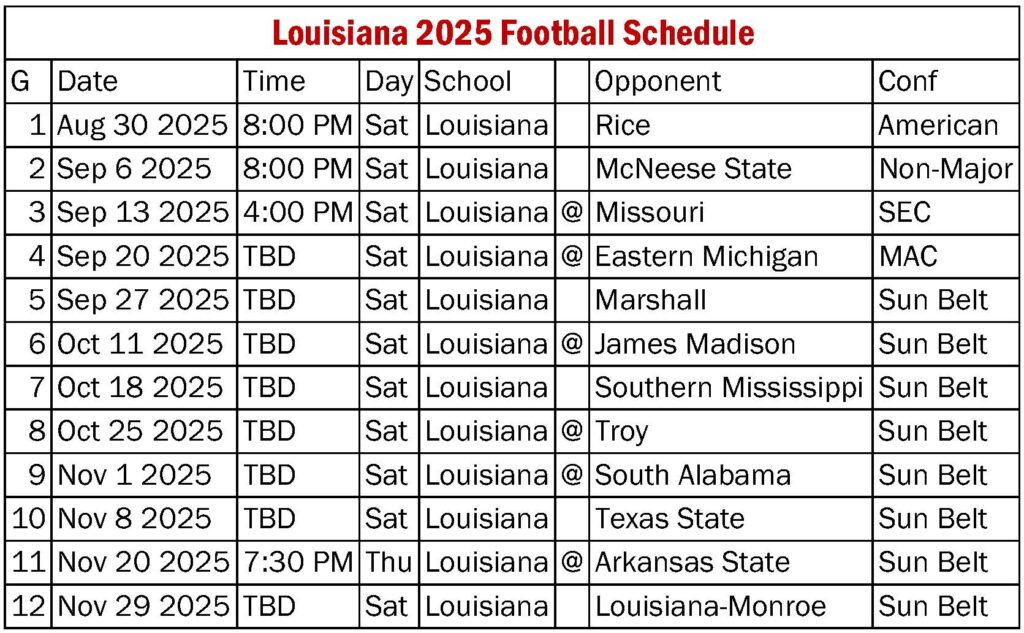

Week 0 Coaches Hot Seat Rankings: We Analyzed Every College Football Coach’s Job Security. Here Are The 10 Most Endangered

These are our preseason rankings.

The starting point for tracking coaching pressure all season long.

Every coach occupies their spot heading into Week 1. But here’s the thing—these rankings are dynamic. They move every single week based on wins, losses, and the political reality inside each program.

Someone in our Top 5 can win their way down the list. It’s equally possible for a coach ranked 100th out of 136 to find themselves in serious trouble by October.

The hot seat never stays still.

That’s why you need to check back every Tuesday during football season. We’ll show you who’s trending down (breathing easier) and who’s trending up (heading for trouble).

Because in college football, your job security changes faster than a fumble recovery.

Here are the  coaches starting the season in the most danger:

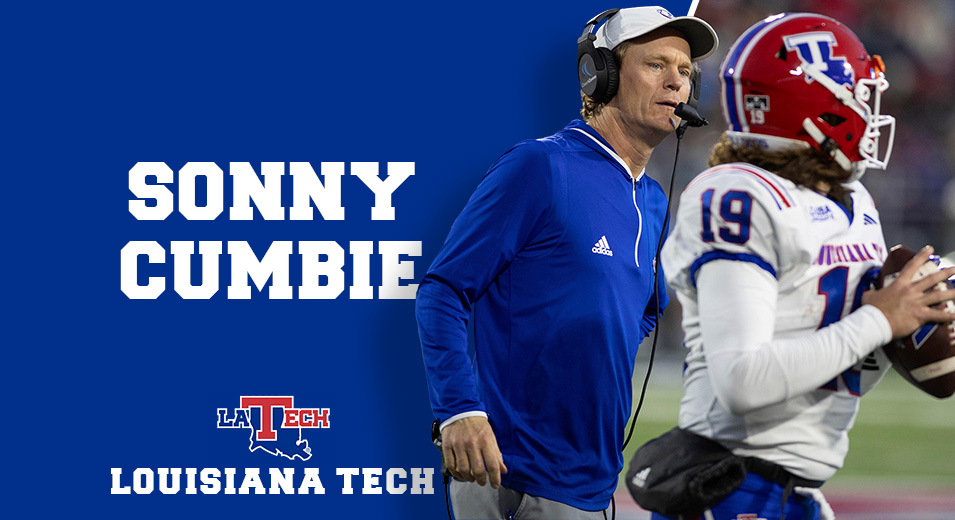
1. Sonny Cumbie, Louisiana Tech

    Why Sonny Cumbie Owns the Hottest Seat in College Football This Season

    Louisiana Tech’s Sonny Cumbie enters Year Four with an 11-26 record and mounting pressure after three consecutive losing seasons.

    • His .297 winning percentage and 0.574 Hot Seat Rating signal he’s been underwater since Day One, far below the 1.0 threshold for meeting expectations.
    • The trajectory shows no recruiting momentum while fans still remember Skip Holtz’s consistent winning, making patience increasingly scarce.
    • Coaches in this position rarely recover—by Year Four, you either show tangible progress or the program shows you the door.

    Unless Cumbie delivers a miracle turnaround in 2025, his seat isn’t just hot—it’s burning.

    2. Scott Satterfield, Cincinnati

    The Six-Win Ultimatum: Why Scott Satterfield’s Job—and Cincinnati’s Future—Hangs in the Balance In 2025

    Scott Satterfield is out of time after two bruising, back-to-back losing seasons at Cincinnati, with everything on the line across twelve Saturdays.

    • He’s trailing the ghost of Luke Fickell’s 53-10 legacy and playoff success, while his own .333 win rate signals trouble for a fanbase starved for relevance.
    • Nine months removed from five straight losses and high-profile staff departures, every decision is under the microscope as he feels the pressure of his buyout clause.
    • Quarterback Brendan Sorsby must cut turnovers while the team needs six wins for bowl eligibility—anything less might mean packing bags.

    For a proud program where mediocrity isn’t an option, “hot seat” might not be hot enough in 2025.

    3. Joe Moorhead, Akron

    Joe Moorhead’s Statistical Masterpiece of Losing

    Joe Moorhead has cracked the code on making college football statistics look respectable while losing games at an alarming rate.

    • His Akron teams generate impressive numbers—like Ben Finley’s 378 yards and four touchdowns in an 11-point loss to Buffalo—but have dropped 10 one-score games in two years, including five by a field goal or less.
    • With a 0.659 Hot Seat Rating and an 8-28 record over three seasons, Moorhead’s offensive schemes produce yards and individual stats that suggest competence, yet his teams consistently fail when games hang in the balance.
    • The cruel mathematics reveal that when you have explosive receivers, a productive quarterback, and reliable kicking, but still struggle to win, the problem isn’t talent—it’s execution under pressure.

    Moorhead was supposed to be the offensive mastermind who would solve Akron’s perpetual losing problem, but instead became the poster child for why coordinating success and leading it require entirely different skill sets.

    4. Brent Venables, Oklahoma

    Brent Venables Faces 8 Top 25 Teams In 2025. Here’s Why This Will Be His Last Season At Oklahoma

    Most people think coaching success is about X’s and O’s, but Brent Venables learned the hard way that your past success means nothing when the game changes around you.

    • His first SEC season at Oklahoma produced a 6-7 record with just 24 points per game—the program’s lowest scoring output since the 1990s—proving that elite coordinator credentials don’t automatically translate to head coaching success in a new conference.
    • The SEC’s unforgiving arms race exposes recruiting misses and tactical weaknesses that Oklahoma could hide in the Big 12, with eight projected Top 25 opponents in 2025, including Michigan, LSU, Texas, Alabama, and Tennessee.
    • 247Sports ranks Venables as college football’s most embattled coach entering 2025, with Vegas projecting a middle-tier SEC finish while fans demand results over explanations from their well-resourced program.

    In Norman, nobody gets remembered for coming close—and anything less than a winning season could end his tenure.

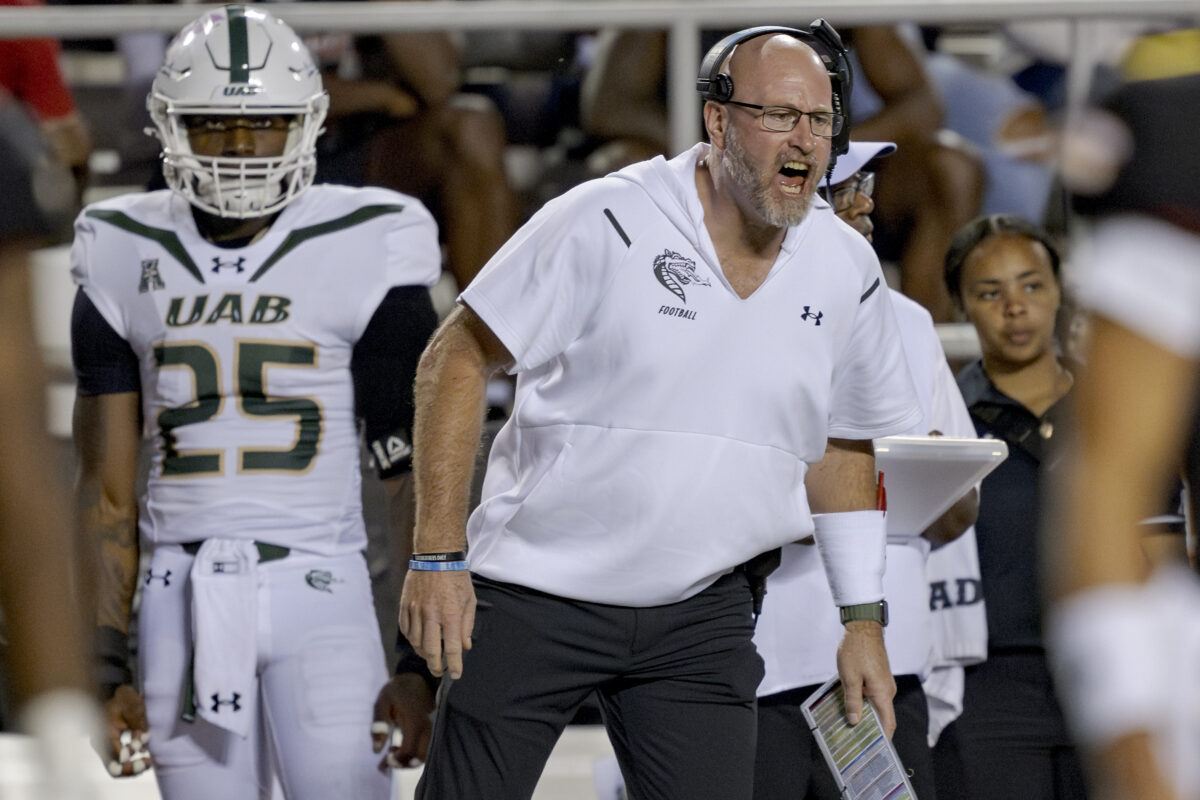
    5. Trent Dilfer, UAB

    UAB Passed Over A 7-6 Interim Coach To Hire Trent Dilfer. 2 Years Later, Dilfer Is 7-17, And That Coach Beat Him 32-6.

    UAB Athletic Director Mark Ingram chose the shiny object in 2022, hiring former NFL quarterback Trent Dilfer over interim coach Bryant Vincent despite Vincent’s 7-6 record.

    • Two years later, Dilfer sits at 7-17 with zero road wins while Vincent’s Louisiana Monroe team beat Dilfer’s UAB squad 32-6 this season, highlighting the missed opportunity.
    • Athletic directors consistently get starstruck by NFL pedigree, mistaking name recognition for competence and assuming Super Bowl rings translate to recruiting ability, ignoring that college coaching requires relationship-building with 18-year-olds, not managing millionaire adults.
    • Former NFL players often struggle because they’ve never learned to develop teenagers, recruit prospects, manage boosters, or navigate the transfer portal—skills that proven college coaches possess for a reason.

    The next time an athletic director gets stars in their eyes over a former NFL player, remember that sometimes the best hire is the one standing right in front of you, even if they’re not the most exciting candidate.

    6. Hugh Freeze, Auburn

    Auburn’s Hugh Freeze Sits At #6 On Our Hot Seat Rankings. Here’s Why 2025 Will Either Save His Career Or End It.

    Hugh Freeze has methodically eliminated every excuse a coach could have after two straight losing seasons at Auburn, leaving himself nowhere to hide in Year 3.

    • He landed Jackson Arnold, a former 5-star transfer quarterback from Oklahoma, while building back-to-back top-10 recruiting classes filled with blue-chip prospects and adding 19 strategic transfer portal additions.
    • Auburn avoids Texas this season and hosts both Alabama and Georgia at home, creating a more favorable schedule than recent years, while Freeze publicly admits “we’ve got to go to a bowl game.”
    • In 12 seasons as a head coach, Freeze has missed bowl eligibility exactly twice—his scandal-plagued final year at Ole Miss and his rebuilding year at Auburn—and lightning doesn’t strike three times for coaches who want to survive.

    Hugh Freeze has built the perfect team to save his career, and now he has to prove he deserves it.

    7. Brent Pry, Virginia Tech

    Virginia Tech’s Brent Pry Fired 3 Coaches And Replaced 30 Players To Save His Job. Here’s Why These Desperate Moves Will Get Him Fired Instead

    Most people think college football coaches get fired for losing games, but they actually get fired for making desperate moves that prove they never understood why they were losing in the first place.

    • After going 16-21 over three seasons, Virginia Tech’s Brent Pry fired his coordinators not strategically but politically, sending the message that “the problem wasn’t me—it was them” while proving he can’t take responsibility for his failures.
    • Pry lost his top running back (1,159 yards, 15 TDs) and best pass rusher (16 sacks) to the transfer portal, then added 30 strangers who’ve never played together, creating roster panic instead of building chemistry that takes years to develop.
    • He’s asking the impossible: 30 new players to trust each other, learn new systems from two new coordinators, and execute under pressure while their head coach’s job hangs in the balance—a recipe for chaos and meltdown.

    Once you start making desperate moves, you’ve already lost because you’re no longer building a program—you’re just surviving until you get fired.

    8. Tony Elliott, Virginia

    Tony Elliott Has 8 Regular Season Games To Save His Virginia Coaching Career

    Tony Elliott enters 2025 with 11 wins and 23 losses over three years at Virginia, but there’s only one number that matters now: 8.

    • Elliott finally has everything he said he needed—Chandler Morris from TCU (5,500+ career passing yards), Mitchell Melton from Ohio State, 7 home games, and no Clemson or Miami on the schedule—which means he’s completely out of excuses.
    • His track record suggests deeper problems with 4-8 records in one-score games, averaging 5+ penalties per game, and losing his starting quarterback to the transfer portal—patterns that go beyond bad luck.
    • The math is brutally simple: win 8 games and keep his job, win 7 or fewer and update his LinkedIn, with no middle ground or “moral victory” season that saves him after three years of disappointment.

    Elliott finally has the perfect setup for success, and 2025 is his moment to prove he deserves it.

    9. Sam Pittman, Arkansas

    Sam Pittman Has A 30-31 Record At Arkansas. Here’s Why He’s The SEC’s Most Undervalued Coach

    Sam Pittman enters 2025 with a 30-31 overall record and the narrative that another mediocre season means goodbye, but here’s what nobody talks about: he’s the SEC’s third-longest tenured coach with his current team.

    • Only Kirby Smart at Georgia and Mark Stoops at Kentucky have been around longer, proving that while other programs churn through coaches, Arkansas stuck with their guy through rebuilds, growing pains, and SEC brutality.
    • Pittman has built five years of recruiting relationships, institutional knowledge most coaches never get, a cultural foundation that takes time to develop, and three bowl wins that demonstrate his program’s progress.
    • With Taylen Green returning (3,756 total yards), Bobby Petrino in his second year calling plays, and a transfer portal haul ranked 8th nationally, the complete roster reconstruction offers a fresh start for his foundation to bear fruit.

    The 2025 season will prove whether college football still rewards patience or if it only rewards wins—and whether the best hire is sometimes the guy who stays long enough to see his vision through.

    10. Billy Napier, Florida

    Florida’s Championship Window Opens in 2025

    Most college football fans think Florida is still years away from competing for titles, but the Gators have quietly assembled all the pieces for a breakthrough season in 2025.

    • DJ Lagway isn’t just another promising quarterback—he’s a generational talent who went 6-1 in his starts as a true freshman, beating ranked LSU and Ole Miss while leading all SEC returners with a 52.8% completion rate on deep balls.
    • Florida’s top-10 recruiting class brings elite defensive backs and game-changing receivers, while four returning offensive line starters provide crucial stability and defensive coaching upgrades address last season’s major weaknesses.
    • After winning just 11 games in Napier’s first two seasons, the Gators closed 2024 with four straight wins and their first bowl victory since 2019, showing the culture has shifted when nobody was paying attention.

    Championship windows don’t announce themselves with fanfare—they open quietly when talent meets opportunity, and Florida’s window is creaking open right now.

    Don’t Miss A Single Coaching Move This Season

    These rankings are just the beginning. Every Tuesday, we’ll update these hot seat rankings based on the weekend’s results, showing you exactly who’s trending up (heading for trouble) and who’s trending down (breathing easier). Because in college football, a coach can go from safe to fired in three weeks flat.

    But here’s where it gets really interesting: our Friday newsletters dive deep into the stories behind the rankings. We’ll break down the political dynamics inside each program, analyze recruiting momentum, and give you the insider perspective on which coaches are actually fighting for their jobs versus which ones just look like they are.

    Think of it as your weekly coaching intelligence report. While everyone else is guessing who might get fired, you’ll know exactly why it’s happening and when it’s coming.

    Subscribe to our newsletter and get:

    • Tuesday Rankings: Updated hot seat positions for all 136 coaches
    • Friday Deep Dives: The real stories behind the coaching pressure
    • Insider analysis you won’t find anywhere else
    • First access to coaching movement predictions before they hit the mainstream

    The hot seat never stays still, and neither should your information advantage.

    Because when the coaching carousel starts spinning, you’ll want to be ahead of the story, not chasing it.
    No related posts found.

    LOAD MORE BLOG ARTICLES

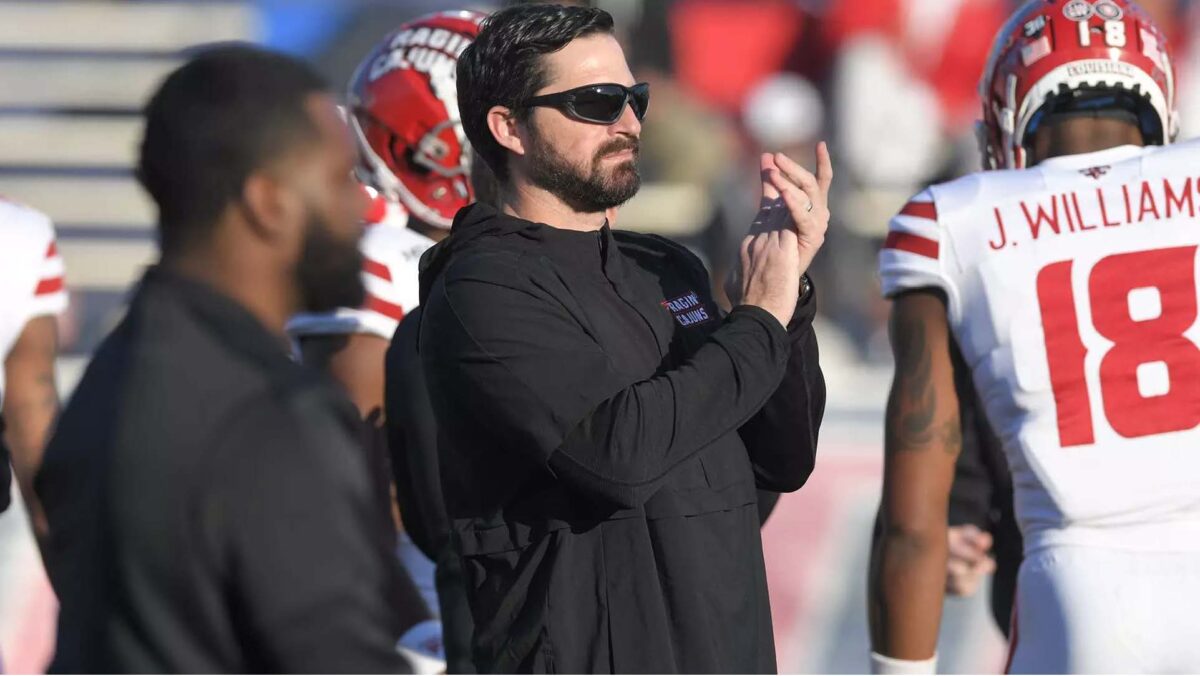
    Sonny Cumbie’s 11-26 Record At Louisiana Tech Puts Him At #1 On Coaches Hot Seat Preseason Rankings—Here’s Why

    Everyone pretends to be shocked when a coach gets fired after 3 straight losing seasons.

    As if the writing wasn’t on the wall the entire time. Louisiana Tech head coach Sonny Cumbie enters his fourth season in 2025 with our hot seat rating of 0.574 (where 1.0 represents meeting expectations and anything below signals mounting pressure) and a .297 winning percentage. Translation: he’s cooked. Done. Finished.

    The only question isn’t whether he’ll get fired, but when.

    This Was Always Going To Happen

    Cumbie took over Louisiana Tech in December 2021 with one selling point: offensive innovation.

    This was the guy who was once the highest-paid offensive coordinator in college football at TCU. The air raid genius. The quarterback whisperer. Fast forward to 2024, and he’s giving up play-calling duties four games into the season.

    Think about that for a second.

    You hire a chef because he makes the world’s best pasta, and then four months later he’s asking someone else to cook the pasta because he can’t figure out the recipe anymore. That’s Sonny Cumbie at Louisiana Tech.

    His record speaks for itself:

    • 2022: 3-9
    • 2023: 3-9
    • 2024: 5-8

    Three straight losing seasons. The program hasn’t had a winning record since 2019, which means under both Skip Holtz’s final year (3-9) and Cumbie’s entire tenure, Louisiana Tech has been irrelevant.

    But here’s where it gets fascinating.

    The Defense Got Better, The Offense Got Worse

    In 2024, something magical happened on defense.

    Louisiana Tech went from allowing 39.2 points per game in 2022 and 33.4 in 2023 to just 21.0 points per game in 2024. They ranked top 3 in Conference USA and top 15 nationally in total defense. Know what Cumbie did? He fired defensive coordinator Scott Power and hired Jeremiah Johnson.

    Smart move. Problem solved.

    While the defense found its footing, the offense lost its way completely:

    • Yards per game dropped: 392 (2022) to 332.9 (2024)
    • Offensive line couldn’t protect anybody
    • Running game was nonexistent
    • Eventually had to give up play-calling

    So he handed the play-calling over to someone else.

    Here’s what’s wild about this situation.

    Conference USA Should Be Easy Money

    You know what Conference USA looks like after realignment?

    A watered-down version of its former self. Programs left for better conferences. The competition got weaker. The path to success got clearer. And Louisiana Tech still couldn’t figure it out.

    The disappointing numbers tell the story:

    • Conference record in 2024: 4-4
    • Road record under Cumbie: 2-17
    • Bowl appearances: 1 (only because Marshall opted out)

    Four and four in conference play. In a league that should theoretically be easier to dominate than ever before. Two wins in 17 road games since taking over.

    That’s not bad luck. That’s not external factors. That’s coaching.

    Teams that can’t win on the road can’t win when things get uncomfortable. They fold under pressure. They make mistakes at critical moments.

    They’re not mentally tough enough to handle adversity.

    But There’s More At Stake Than Just Wins And Losses

    Here’s where Athletic Director Ryan Ivey found himself in a tough spot.

    Cumbie signed a five-year deal worth $4.85 million with a base salary that hit $1 million by 2024. Firing him means:

    • Paying a buyout
    • Paying to hire someone new
    • Paying that new coach a competitive salary

    For a program like Louisiana Tech, that’s real money.

    But here’s what administrators never want to acknowledge: keeping a losing coach costs more than firing him. Losing seasons mean fewer ticket sales. Fewer donations. Less corporate sponsorship. Lower TV revenue. Decreased enrollment interest.

    The financial damage compounds every year you wait.

    Louisiana Tech made one bowl game under Cumbie—the 2024 Independence Bowl—and they only got that because Marshall opted out due to transfer portal losses. They lost to Army 27-6. That’s not progress.

    That’s charity.

    The 2025 Reality Check

    CBS Sports ranked Cumbie as the only coach in the “Win or be fired” category with a perfect 5.0 rating from nine expert evaluators.

    Translation: everyone who covers college football knows what’s coming. The schedule gives him a chance—manageable Conference USA opponents—but also exposes him to road trips to LSU and Washington State. Given his 2-17 road record, those games look like guaranteed losses.

    Even with some positive developments, the challenges are mounting:

    • Defensive improvement shows he can make changes
    • But the offensive line lost key players to the transfer portal
    • Tony Franklin hired as new offensive coordinator
    • Yet history suggests desperation hires rarely work

    The offensive line lost Ja’Marion Kennedy to Wake Forest and Zarian McGill to Colorado, which means the unit that was already struggling just got worse.

    Here’s the thing about desperation moves.

    Why This Matters Beyond Louisiana Tech

    College football is brutal.

    Coaches get hired based on potential and fired based on results. There’s no participation trophy for “trying hard” or “building culture” when you’re 11-26 over three seasons. Cumbie’s situation represents everything problematic about how programs evaluate coaching hires.

    They fell in love with his reputation instead of his results:

    • Assumed past success would automatically translate
    • Ignored warning signs about fit and system
    • Wanted to believe instead of evaluating reality

    Louisiana Tech has proud football traditions. Conference championships. Bowl victories. Relevant seasons.

    Under Cumbie, they’ve had none of that.

    The Bottom Line

    Sonny Cumbie is facing near-certain dismissal.

    Whether it comes after early setbacks in 2025 or at the season’s end, the odds are stacked against him. The only question is how much damage Louisiana Tech is willing to accept while they delay what appears inevitable.

    Because here’s what nobody wants to say out loud: keeping a struggling coach doesn’t protect the program’s future.

    It jeopardizes it.

    Our hot seat rating of 0.574 for Cumbie isn’t just a number. It’s a warning label. And everyone except the people making decisions seems to understand what it means.

    Want to know which coach gets fired next?

    You just read the kind of analysis that predicted coaching changes before they happened. While other publications wait for the obvious, we identify the warning signs early.

    The Coaches Hot Seat newsletter delivers:

    • Weekly hot seat rankings with data-driven predictions
    • Inside analysis on coaching moves before they’re announced
    • The real financial stories behind hiring and firing decisions
    • Zero fluff, zero access journalism, zero protecting feelings

    Because college football moves fast.

    And the programs that survive are the ones that see what’s coming next—not the ones caught reacting to what already happened.

    Get the analysis that matters. Before it becomes obvious to everyone else.

    No related posts found.

    LOAD MORE BLOG ARTICLES

    Trent Dilfer Has A 7-17 Record At UAB. Here’s Why His $3.6 Million Buyout Won’t Save His Job In 2025

    Here’s what nobody wants to say out loud.

    Trent Dilfer is coaching for his job at UAB. And based on two years of evidence, he’s going to lose it. The numbers don’t lie. A 7-17 record. A .292 winning percentage. Zero road wins in 24 months. And a hot seat rating of 0.715 that has him ranked as the fifth most endangered coach in college football.

    This isn’t speculation.

    This is math.

    The Problem With Hiring Names Instead Of Coaches

    Athletic Director Mark Ingram made a classic mistake in 2022.

    He got starstruck. Instead of promoting interim coach Bryant Vincent—who had just led UAB to a 7-6 record—Ingram chased the shiny object. He wanted the former NFL quarterback. The Super Bowl winner. The ESPN analyst with name recognition.

    “I’m not hiring a high school football coach,” Ingram said at the time. “I’m hiring the number six overall pick in the NFL draft.”

    Wrong.

    You were hiring a high school football coach who happened to be a former NFL player. And there’s a massive difference between those two things. The irony? Bryant Vincent—the guy Ingram passed over—is now coaching Louisiana Monroe to potential bowl eligibility. Meanwhile, Dilfer’s UAB team got obliterated 32-6 by Vincent’s Warhawks to open the 2024 season.

    That’s not just bad luck.

    That’s institutional malpractice.

    When The Numbers Tell The Whole Story

    Here’s how badly things have collapsed under Dilfer.

    2023 to 2024 regression:

    • Passing accuracy: 71.7% → 63.7% (catastrophic)
    • Total offense: 450 yards/game → 392.5 yards/game
    • Rushing: 161.1 yards/game → 130.9 yards/game
    • Turnovers per game: 1.7 → 2.1

    You don’t accidentally get worse at this many things. This is a systematic failure. The defense was even more brutal. UAB allowed 212.9 rushing yards per game in 2024—among the worst in the country. They gave up 34.2 points per game and finished 120th in scoring defense.

    Six different opponents ran for more than 190 yards against them.

    That’s not a personnel problem. That’s a coaching problem.

    The Hail Mary

    Dilfer knows he’s drowning.

    So he’s throwing everything at the wall. New defensive coordinator Steve Russ brings legitimate credibility—two Super Bowl rings and six years of NFL coaching experience. The entire defensive staff was rebuilt with over 40 years of combined NFL experience.

    Through the transfer portal, 19 players left, but 13+ new faces arrived:

    • Quarterback Ryder Burton from West Virginia
    • Running back Jevon Jackson from UTEP
    • Wide receiver Kaleb Brown from Iowa

    When you flip half your roster in one offseason, you’re not building a program.

    You’re admitting the previous two years were a complete waste of time.

    The Tone-Deaf Moments That Define Him

    But here’s what shows you who Trent Dilfer is as a coach.

    After a September loss, he dismissed criticism by saying, “It’s not like this is freakin’ Alabama.” Think about that for a second. Your job is to build excitement around your program. Your job is to sell hope to your fanbase. And instead, you’re publicly lowering expectations and making excuses.

    Even worse? On a UAB-produced podcast, Dilfer promoted Louisville’s volleyball program—where his daughter played—over UAB’s volleyball team. At the same time, his own Athletic Director tried to defend UAB’s program on the same podcast.

    That’s not just tone-deaf.

    That’s sabotage.

    The Math On His Future

    Oddsmakers set UAB’s win total at 4.5 games for 2025.

    The under is favored. Most national previews have UAB finishing 13th out of 14 teams in the AAC. The schedule includes Tennessee, Memphis, Army, and Navy—teams that will expose every weakness.

    To reach bowl eligibility, UAB needs to double its 2024 win total. Based on two years of evidence, that’s not happening. The financial reality makes it worse. UAB owes Dilfer $3.6 million if they fire him after 2025, dropping to $2.4 million after the season.

    But keeping a failing coach to save money is how programs die.

    Why This Matters Beyond UAB

    This is a cautionary tale about the modern college football hiring process.

    UAB had a program with momentum. Bill Clark had built something special before health issues forced his resignation. Bowl games. Competitive teams. Hope. Dilfer inherited a functional program and systematically destroyed it through inexperience and poor judgment.

    The lesson?

    • Past playing success doesn’t translate to coaching success
    • Name recognition doesn’t win games
    • When you hire someone for the wrong reasons, you get predictable results

    The Verdict

    Trent Dilfer will coach the 2025 season at UAB.

    But he won’t coach the 2026 season. The comprehensive staff changes and roster overhaul might buy him a few extra wins. But fundamentally, nothing has changed. He’s still the same coach who has never won a road game in college football.

    Athletic Director Mark Ingram will eventually have to admit his mistake.

    The question isn’t if—it’s when. UAB fans deserve better than watching their program become a cautionary tale. They deserve better than a coach who publicly diminishes their school while collecting a $1.3 million salary.

    The 2025 season will be Trent Dilfer’s last at UAB.

    Everyone knows it, including him.

    The clock isn’t just ticking. It’s about to expire.

    No related posts found.

    LOAD MORE BLOG ARTICLES

    Joe Moorhead Was Supposed To Fix Akron Football. Instead, He’s Turned Statistical Improvement Into An Art Form Of Losing

    The math doesn’t lie at Akron.

    Three seasons into his tenure at Akron, the veteran coach sits on college football’s third-hottest seat with a 0.659 Hot Seat Rating™ in the Coaches Hot Seat® rankings. This number reflects significant underperformance against expectations, where 1.0 represents meeting expectations and anything below signals mounting pressure. His 8-28 record tells the story of a program trapped between statistical improvement and actual wins, a cruel mathematical reality that has defined his existence in Ohio.

    The numbers reveal a stunning contradiction: a supposed offensive mastermind who can’t win games.

    The Statistical Paradox That Defines Frustration

    Moorhead’s three-year journey at Akron reads like a case study in how progress doesn’t always equal success.

    2022 Season Reality:

    • Record: 2-10
    • Offense: 21.6 points per game
    • Defense: 33.5 points allowed per game
    • The diagnosis: An offense with potential, destroyed by defensive incompetence

    2023 Season Nightmare:

    • Record: 2-10 (again)
    • Offense: 16.3 points per game (brutal regression)
    • Defense: 28.0 points allowed per game (solid improvement)
    • The diagnosis: Fixed defense, broken offense—same losing result

    2024 Season Mockery:

    • Record: 4-8 (modest improvement)
    • Offense: 20.4 points per game (rebound)
    • Defense: 32.0 points allowed per game (regression)
    • The diagnosis: One step forward, one step back, still losing

    Here’s what makes this maddening: Moorhead himself admits they’ve had “10 one-score losses in two years, including five by a field goal or less and four of those in overtime.”

    These aren’t blowouts suggesting systemic failure.

    These are heartbreaking defeats that reveal a program tantalizingly close to competence but consistently unable to cross the finish line.

    When Statistics Lie: The Buffalo Game That Broke Everyone’s Brain

    Last season’s 41-30 loss to Buffalo perfectly encapsulated Akron’s mathematical impossibility.

    The numbers that should have meant victory:

    • Akron outgained Buffalo 452-390 total yards
    • Dominated through the air 378-210 in passing yards
    • Won the third-down battle 43% to 23%
    • Ben Finley threw for 378 yards and four touchdowns

    The reality that happened: Buffalo spotted a 38-7 lead before Akron remembered how to play football.

    When your quarterback throws for 378 yards and four touchdowns but you still lose by double digits, the problem isn’t talent—it’s execution, culture, and coaching.

    Individual Brilliance Wasted by Collective Incompetence

    The 2024 roster showcased exactly the kind of talent that should translate to wins.

    Offensive weapons that should have dominated:

    • Adrian Norton: 831 receiving yards, 19.3 yards per catch, 7 touchdowns
    • Ben Finley: 2,604 passing yards, 16 touchdowns over 12 games
    • Jordon Simmons: 664 rushing yards on 6.0 yards per carry
    • Garrison Smith: 81.3% field goal accuracy

    The coaching failure: When you have explosive playmakers at every skill position and a reliable kicker, yet still struggle to win games, the responsibility falls squarely on scheme execution and leadership.

    These individual performances should have combined to create a winning formula.

    Instead, they highlighted the coaching staff’s inability to synthesize talent into consistent team success.

    The Defensive Regression That Destroyed Progress

    Here’s where Moorhead’s tenure becomes truly damning.

    After limiting opponents to 335.0 yards per game in 2023, the 2024 defense collapsed to allowing 414.4 yards per contest—nearly returning to the abysmal 2022 levels.

    The regression wasn’t subtle:

    • Pass defense: Opponents completed 64.4% (up from 55.9% in 2023)
    • Run defense: Allowed 183.3 yards per game on 4.6 yards per carry
    • Takeaways: Just 7 interceptions and 9 fumble recoveries in 12 games
    • Turnover rate: 1.3 per game (pathetic for modern college football)

    In a sport where possessions are precious, this defensive inability to create turnovers severely limited Akron’s margin for error.

    The 2025 Roster Overhaul: Desperation or Smart Strategy?

    Understanding the pressure he faces, Moorhead has aggressively addressed roster deficiencies.

    Defensive reinforcements:

    • Over 10 new defensive linemen
    • Multiple linebacker additions
    • Several players exceeding 290 pounds
    • New cornerbacks and safeties for improved coverage

    Offensive upgrades:

    • Multiple running backs over 205 pounds
    • Offensive line featuring players over 300 pounds
    • Reduced dependence on individual playmakers
    • Better short-yardage reliability

    The critical question: Will these roster upgrades translate to actual wins, or just better statistics in losing efforts?

    Schedule Reality: Opportunity and Pitfalls

    The 2025 schedule presents both hope and danger.

    Non-conference games:

    • Wyoming (winnable)
    • Nebraska (measuring stick against Power Five)
    • UAB (should win)
    • Duquesne (must win)

    MAC schedule challenges:

    • Eight conference games, including Toledo and Central Michigan
    • Potentially favorable matchups against UMass and Kent State
    • More home games late in the season

    The pressure point: If Akron stumbles in winnable non-conference games or struggles early in MAC play, the familiar pattern of close losses and moral victories could quickly resurrect coaching change discussions.

    The Cultural Problem That Statistics Can’t Fix

    The psychological burden of consistent losing has infected this program’s DNA.

    When players and coaches expect close games to slip away in the fourth quarter, those expectations often become reality. Breaking this cycle requires more than tactical adjustments—it demands a complete cultural shift that validates belief in eventual success.

    Moorhead’s track record suggests understanding:

    • Previous championship experience at multiple stops
    • Background as an offensive innovator
    • History of developing NFL-caliber talent

    The concerning pattern: His previous head coaching stint at Mississippi State ended in frustration despite superior talent, raising questions about his ability to maintain program culture over extended periods.

    Make-or-Break Mathematics

    The 2025 season represents Moorhead’s final realistic opportunity to demonstrate sustained improvement.

    The brutal math:

    • Overall FBS head coaching record: 22-40
    • Akron record: 8-28 over three seasons
    • Hot seat rating: 0.659 (third-hottest in FBS)
    • Winning percentage: .222

    The irony: Moorhead was supposed to be the sure thing—the experienced head coach, the familiar face, the proven winner. Instead, he’s become living proof that coordinating success and leading it are entirely different skills.

    Another disappointing campaign would likely end his tenure and potentially damage his reputation as a coordinator candidate.

    Bottom Line: Incremental Progress Isn’t Enough

    Akron’s 2025 season will be defined by whether Moorhead can finally convert statistical improvement and individual talent into actual victories.

    The roster upgrades provide tools for success.

    The schedule offers winnable opportunities.

    The pressure demands immediate results.

    The simple equation: With a 0.659 hot seat rating and his track record at Akron, Moorhead needs wins—not moral victories, not improved statistics, but actual wins that demonstrate tangible program advancement.

    For a program that has managed just 8 victories in 36 games under his leadership, 2025 represents far more than another season of development.

    It’s the final calculation in determining whether Joe Moorhead can solve Akron’s perpetual problem of underachievement, or whether his tenure will become another cautionary tale about the difference between coordinating brilliance and leading it.

    Want to know which other “under the radar” coaches are about to be on the hot seat?

    I track the real hot seats (not just the obvious ones) every Friday in my free newsletter.

    Join thousands of readers who get the stories before they become headlines: Coaches Hot Seat Insider.

    No related posts found.
    VISIT OUR SHOP [COMING SOON]

    LOAD MORE BLOG ARTICLES

    The UNLV Story No One Is Talking About (And Why Dan Mullen’s Gamble Will Either Make History Or Destroy Everything)

    Most college football stories are predictable.

    Bad team hires a new coach. Coach rebuilds slowly over three years. Maybe they win some games, maybe they don’t. But what’s happening at UNLV right now isn’t that story at all.

    This is something completely different.

    The Foundation That Was Already Perfect

    This wasn’t a broken program that needed fixing.

    UNLV just finished an 11-3 season with 495 points scored and only 298 allowed. They made their first Mountain West Championship Game appearance ever and won a bowl game over California. Barry Odom had built the best two-year run in program history.

    So what did Dan Mullen do when he got hired?

    He tore it apart and started over. The numbers that prove this program was already elite: 416.1 yards per game on offense, 23 forced turnovers on defense, and their first winning streak since 1984. Most coaches would have been thrilled to inherit this foundation.

    Mullen decided it wasn’t enough.

    The Move That Makes No Sense (Until You Think About It)

    Here’s what most coaches would have done with this situation.

    Keep the core players who delivered 11 wins. Build around the existing foundation that just reached a championship game. Make small tweaks and ride the momentum Barry Odom created.

    Mullen did the exact opposite.

    He brought in 20+ Power Four transfers and created competition at every position. He rebuilt both the offensive and defensive systems from scratch. The quarterback room tells the whole story: instead of rolling with returning senior Cameron Friel, he added Anthony Colandrea from Virginia and Alex Orji from Michigan.

    Most coaches avoid that kind of chaos.

    Why This Strategy Actually Makes Perfect Sense

    Here’s what people don’t understand about Dan Mullen.

    He’s done this before at Mississippi State and Florida. At Mississippi State, he took a program that had never been ranked No. 1 and put them atop the first College Football Playoff rankings in 2014. His quarterback development track record includes Dak Prescott, Tim Tebow, and Kyle Trask.

    This isn’t gambling—it’s pattern recognition.

    When Jake Pope (Alabama/Georgia transfer) says, “Guys jelled really fast. I like the culture we have created,” that’s not luck. It’s systematic culture building that Mullen has perfected over 15 years. The same process that turned Mississippi State into a playoff contender is now happening in Las Vegas.

    That’s why this actually works.

    The 3 Reasons This Could Work

    Reason 1: Competition Creates Excellence

    Nobody’s position is guaranteed when you bring in 20+ Power Four transfers.

    The former Alabama safety has to prove he’s better than the returning starter. The Michigan quarterback has to prove he’s better than the Virginia transfer. This creates immediate urgency where most teams spend months building chemistry.

    These players are fighting for their careers from day one.

    Reason 2: Mullen’s Cultural Blueprint

    Chief Borders followed Mullen from Florida to Las Vegas for a reason.

    “Work like a pro and act like one,” Borders explains. “It all starts with laying down that foundation and how we treat each other.” This isn’t about talent acquisition—it’s about culture transformation that Mullen has perfected.

    The system matters more than the players.

    Reason 3: The Schedule Sets Up Perfectly

    UNLV’s 2025 schedule creates the perfect testing ground.

    UCLA provides a winnable Power 5 game early. Road games at Boise State and Colorado State are the real championship tests. Sportsbooks set their win total at 8.5 games—the highest in program history.

    The betting market believes in this transformation.

    The Financial Pressure That Changes Everything

    UNLV paid Mullen $17.5 million and can’t afford for this to fail.

    Season ticket sales jumped from 4,061 to 5,031 before the season started. Revenue increased from $1.8M to $2.5M, driven solely by hiring excitement. The athletic department is betting everything on immediate success, not gradual improvement.

    This isn’t a rebuilding project with patience.

    The 2 Ways This Ends

    Scenario 1: Complete Success

    Mullen’s transfer strategy works, and team chemistry develops quickly.

    They beat UCLA in a statement game and split with Boise State on the road. The Mountain West Championship becomes a realistic goal, and College Football Playoff talk begins. UNLV transforms from regional story to national phenomenon.

    Everyone calls Mullen a genius.

    Scenario 2: Spectacular Failure

    Too many new players create chemistry problems and identity confusion.

    The offense struggles without Hajj-Malik Williams’ 2,800 combined yards. The defense can’t replace Jackson Woodard’s 135 tackles and leadership. Four or five losses waste all the momentum Barry Odom built.

    Mullen’s reputation takes a massive hit.

    Why I Think This Works

    Dan Mullen has never taken the safe approach in his entire career.

    At Mississippi State, he built offenses around mobile quarterbacks when that wasn’t trendy. At Florida, he developed quarterbacks that others couldn’t fix. Now at UNLV, he’s betting that talent plus competition plus culture beats continuity every time.

    The early signs point toward success.

    Player testimonials about rapid chemistry development are encouraging. The quality of transfer additions from Alabama, Georgia, Virginia, and Michigan is undeniable. His systematic approach to competition and accountability has worked everywhere he’s coached.

    But here’s what will determine everything.

    How does this team respond when they’re down 10 points at Boise State? How do they handle pressure when ESPN GameDay shows up for UCLA? Can a roster of mostly transfers develop the trust that wins championship games?

    Those moments will define this entire experiment.

    The Bottom Line

    Dan Mullen didn’t come to UNLV to manage a good program.

    He came to build a great one through complete transformation. The $17.5 million investment, 20+ Power Four transfers, and cultural overhaul represent the biggest gamble in program history. This is either the blueprint for how mid-major programs compete at the highest level or a cautionary tale about changing too much too fast.

    Either way, it’s going to be fascinating to watch.

    Want to know which other “under the radar” coaches are about to be on the hot seat?

    I track the real hot seats (not just the obvious ones) every Friday in my free newsletter.

    Join thousands of readers who get the stories before they become headlines: Coaches Hot Seat Insider.

    No related posts found.

    LOAD MORE BLOG ARTICLES

    Southern Miss Football 2025: Charles Huff Just Copy-Pasted a Championship Program

    Here’s what everyone is missing about the Southern Miss hire.

    Charles Huff didn’t just take a new job. He literally copy-pasted an entire championship program from Marshall to Hattiesburg. Most coaching hires involve one person switching schools. This is different. This is importing a proven system, proven players, and proven results wholesale.

    And if you understand what actually happened here, you’ll realize Southern Miss just pulled off the most aggressive program rebuild in modern college football.

    This Isn’t a Coaching Change. It’s a Hostile Takeover.

    Let me paint the picture:

    Marshall goes 10-3, wins the Sun Belt championship, and destroys Louisiana 31-3 in the title game. Their quarterback throws 19 touchdowns with 2 interceptions. Their offense averages 382.8 yards per game. Their defense allows just 23.1 points per game.

    Southern Miss goes 1-11, scores 15.3 points per game, allows 37.8 points per game, goes winless in conference play.

    Normal world: Southern Miss hires a good coach and hopes he can slowly rebuild.

    What actually happened: Southern Miss hired the good coach AND most of his championship team.

    Key players who switched uniforms:

    • Braylon Braxton: Marshall’s quarterback with the 19-2 touchdown-to-interception ratio
    • Carl Chester: 20 catches, 342 yards, 3 touchdowns at Marshall
    • Tychaun Chapman: Multi-use weapon with rushing and receiving TDs
    • Bralon Brown: Explosive receiver from Marshall’s championship squad
    • Elijah Metcalf: Proven target with multiple touchdown catches
    • Josh Moten: Cornerback with 5 interceptions

    That represents approximately 20 key contributors from Marshall’s championship team now wearing Southern Miss uniforms, creating an unprecedented roster transformation in modern college football.

    This isn’t roster building. It’s roster importing.

    The numbers only underscore just how dramatic this turnaround is poised to be.

    The Numbers Don’t Lie (And They’re Brutal)

    Here’s the gap Huff is bridging.

    Quarterback play:

    • 2024 Southern Miss QBs: 7 touchdown passes, 17 interceptions
    • Braylon Braxton at Marshall: 19 touchdown passes, 2 interceptions

    Offensive production:

    • Southern Miss 2024: 283.5 yards per game
    • Marshall 2024: 382.8 yards per game

    Scoring differential:

    • Southern Miss: -22.5 points per game
    • Marshall: +8.7 points per game

    Conference results:

    • Southern Miss: 0-8 in Sun Belt play
    • Marshall: 8-1 in Sun Belt play

    Same conference. Same level of competition. Completely different results.

    The question isn’t whether Southern Miss will improve. The question is how much.

    But understanding the statistical transformation requires examining the strategic genius behind it.

    Why This Strategy Works

    Most people think college football rebuilds take 3-4 years because you have to recruit high school players, develop them, install systems, and build culture.

    Huff skipped all of that.

    Traditional rebuild vs. Huff’s method:

    • Recruit 18-year-olds and hope they develop → Brought 22-year-olds who already know his system
    • Install new offensive and defensive schemes → Brought the same coordinators who installed those schemes at Marshall
    • Build championship culture → Imported players who already lived it

    This is what smart business leaders do when they take over struggling companies. They don’t start from scratch.

    They bring their proven team and proven processes.

    The scope of this organizational transplant becomes even clearer when you examine the coaching staff changes.

    The Coaching Staff Migration Tells the Real Story

    Jason Semore, Marshall’s defensive coordinator who held Sun Belt offenses to 23.1 points per game? He’s now Southern Miss’s defensive coordinator.

    Johnathan Galante, who coached Marshall’s top-15 nationally ranked special teams? Southern Miss special teams coordinator. Telly Lockette, who directed Marshall’s 201.7 yards per game rushing attack that ranked 19th nationally? Running backs coach at Southern Miss.

    This isn’t just Charles Huff getting a new job. This is an entire championship operation relocating.

    The transfer portal skeptics completely miss why this approach represents the future of college football rebuilding.

    What Everyone Gets Wrong About Transfer Portal Era

    Critics say the transfer portal ruins college football because players just chase money and change schools constantly.

    They’re missing the point.

    The transfer portal allows proven coaches to bring proven systems and proven players to new programs instantly. It allows smart programs to skip the traditional 3-4 year rebuild cycle. Southern Miss just demonstrated the blueprint: Don’t recruit and develop.

    Import and deploy.

    Now the practical test begins with Southern Miss’s 2025 schedule, where this transplanted championship core will face familiar competition.

    The 2025 Schedule Reality Check

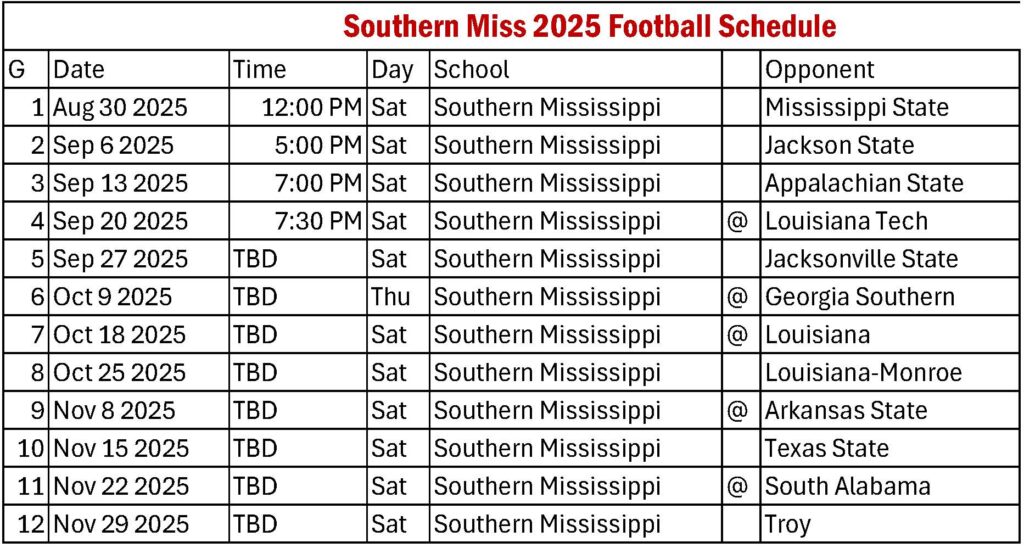
    Southern Miss opens against Mississippi State on August 30.

    That’s a measuring stick game against an SEC opponent. The Sun Belt schedule includes home games against Appalachian State, Jacksonville State, Louisiana-Monroe, Texas State, and Troy. Road tests at Georgia Southern, Louisiana, Arkansas State, and South Alabama.

    Here’s what’s different: Last year, these same Marshall players went 8-1 against Sun Belt competition. Now they’re playing the same conference schedule wearing different uniforms.

    The logical outcome isn’t 1-11. It’s bowl eligibility, and potentially much more.

    Traditional rebuilding timelines simply don’t apply when you’re importing championship-level talent and systems.

    Why Traditional Rebuilding Wisdom Is Dead

    Old model: Hire coach, recruit players, install system, develop culture, hope for improvement in year 3-4.

    New model: Import championship coach, championship players, championship system, championship culture. Compete immediately.

    Southern Miss just proved the new model works faster.

    The evidence is overwhelming when you step back and assess what actually happened in Hattiesburg.

    The Bottom Line

    Charles Huff brought a 10-3 Marshall team to Southern Miss and changed the uniforms.

    The quarterback who threw 19 touchdown passes with 2 interceptions is the same quarterback who will take snaps for Southern Miss. The receivers who caught those touchdown passes are the same receivers running routes in Hattiesburg. The defense that allowed 23.1 points per game at Marshall is largely the same defense taking the field for Southern Miss.

    This isn’t hope and potential. This is proven production with a change of address. Southern Miss didn’t just hire a good coach.

    They acquired a championship program.

    Expect to see Southern Miss fighting for bowl eligibility in 2025—and if this blueprint works as designed, they’ll be competing for much more than that.

    Want to know which other “under the radar” coaches are about to be on the hot seat?

    I track the real hot seats (not just the obvious ones) every Friday in my free newsletter.

    Join thousands of readers who get the stories before they become headlines: Coaches Hot Seat Insider.

    No related posts found.

    LOAD MORE BLOG ARTICLES

    The Tony Gibson Experiment: How Marshall Football Became College Football’s Most Dangerous Wild Card

    Marshall football has no idea what they’re doing in 2025.

    And that might be exactly what makes them terrifying.

    While everyone else obsesses over Alabama’s quarterback battle or debates whether Georgia can repeat, the most fascinating story in college football is unfolding in Huntington, West Virginia. Tony Gibson just walked into the most impossible coaching situation in America, and he’s about to prove whether experience matters more than chaos.

    The Madness Behind the Method

    Let me paint you the picture of what Gibson inherited.

    A Sun Belt Championship. A 10-3 record. A seven-game winning streak to end 2024. Then, in 72 hours, it all disappeared.

    Charles Huff bolted for Southern Miss the day after winning Marshall’s first conference title since 2014. Thirty-six players hit the transfer portal faster than you could say “contract negotiation.”

    Gone:

    • Three quarterbacks
    • The leading rusher
    • The top linebacker
    • Seventeen of 22 starters from the championship game

    The roster got so decimated that Marshall couldn’t even field a team for their bowl game.

    Think about that. They won a championship in December and couldn’t play football in January.

    The Impossible Math Gibson Just Inherited

    Gibson is 52 years old and has never been a head coach at this level.

    He spent six years making NC State’s defense elite, but calling plays is different from running a program. Most first-time head coaches get rebuilding situations with time to develop. Gibson’s championship program is in free fall.

    Welcome to college football’s transfer portal era, where entire rosters can disappear overnight.

    Here’s how he’s attacking the impossible: Gibson signed 62 new players. Not 10. Not 20. Sixty-two. He basically built an entirely new team in four months, and according to Rivals, it’s the No. 2 transfer class in FBS.

    Lost three starting quarterbacks?

    • Brought in Carlos Del Rio-Wilson (FBS starting experience)
    • Added Zion Turner (FBS starting experience)
    • Recruited freshman Koi Fagan from West Virginia
    • Now has six quarterbacks competing for one job

    That’s not desperation.

    The Rod Smith Factor Nobody’s Talking About

    While everyone focuses on Gibson’s defensive background, they’re missing the most important hire he made.

    Rod Smith as offensive coordinator.

    Smith just finished turning Jacksonville State into a scoring machine:

    • No. 12 nationally in points per game (36.0)
    • No. 3 nationally in rushing (251.2 yards per game)
    • 51 rushing touchdowns in 2024

    Smith’s resume reads like a quarterback development clinic. Denard Robinson (Big Ten Offensive Player of the Year). Pat White (Big East Offensive Player of the Year). Tyler Huff at Jacksonville State.

    The man has a system, and more importantly, he knows how to implement it fast.

    This matters because Marshall’s 2024 offense wasn’t broken. They averaged 31.8 points per game and 382.8 yards per game with a balanced attack that rushed for 201.7 yards per contest.

    Smith isn’t fixing problems—he’s amplifying strengths.

    The Schedule That Reveals Everything

    Marshall opens at Georgia.

    In Sanford Stadium. Against a top-5 SEC team. With a completely rebuilt roster and a first-time head coach.

    Most programs would call that a nightmare. Gibson calls it a measuring stick.

    The beauty of starting with Georgia is that nobody expects Marshall to win. The pressure is entirely on Kirby Smart’s team. Gibson gets to see what his new pieces look like against elite competition without the weight of expectations.

    Then comes the real test:

    • At Louisiana (the team Marshall beat for the 2024 title)
    • At Appalachian State
    • Home vs James Madison
    • Home vs Texas State
    • Home vs Georgia Southern

    These aren’t rebuilding games—these are statement games.

    Why the Chaos Factor Makes Marshall Dangerous

    Everyone’s analyzing Marshall like they’re a normal football team.

    They’re not.

    Normal teams have established hierarchies, known commodities, predictable tendencies. Marshall has none of that. They’re starting fresh with players from dozens of different programs, implementing new schemes, building chemistry in real-time.

    That sounds like a recipe for disaster, but it’s also what makes them impossible to prepare for.

    How do you scout a team when half the roster has never played together? How do you game-plan against an offense when the quarterback competition is wide open and the coordinator is installing a completely new system?

    You can’t.

    The Defense That Could Surprise Everyone

    While everyone worries about offensive identity, Gibson’s defensive background might be Marshall’s secret weapon.

    The 2024 defense was already solid:

    • 23.1 points per game allowed
    • 1.5 turnovers forced per contest

    Now Gibson gets to implement his 3-3-5 schemes that made NC State’s defense consistently elite.

    Key returners providing the foundation:

    • Jacarius Clayton (defensive line, junior)
    • Braydin Ward (sophomore)
    • Mikailin Warren (sophomore)

    Add Gibson’s transfer portal additions and defensive coordinator Shannon Morrison (a Marshall alum who knows the program), and this unit could be special by November.

    “I Am Home”: The Message That Changes Everything

    Gibson’s personal connection to West Virginia became central to his appeal.

    At his introductory press conference, the Van, West Virginia native made his intentions clear: “I am home and I am staying home. This is going to be our 16th house we’re going to move into in Huntington and it’s going to be our last house.”

    The homecoming message resonated with players who stayed through the transition. Returning tight end Toby Payne captured the sentiment: “Everybody that stayed wanted to be here. This place is special. It’s amazing. You’ve got the hometown feel.”

    Gibson’s recruiting pitch centers on community rather than flashy promises: “We sell them on community and how much it means to the people here. It’s an easy sell to be at Marshall.”

    The coach even made bold claims about in-state recruiting: “We’re going to own this state, and we’re not going to let the good players leave this state.”

    That confidence reflects Gibson’s understanding that Marshall’s success depends on local investment, not just national recognition.

    The Real Question Nobody’s Asking

    Can Gibson make his players believe the chaos is actually order?

    Sixty-two new players means 62 guys who chose Marshall specifically because of Tony Gibson. They didn’t transfer to play for the old staff or the old system.

    They came to be part of something new.

    That’s powerful psychology. Gibson’s not inheriting doubt—he’s creating belief. Every player on this roster is there because they bought into his vision.

    Why 2025 is Make-or-Break (But Not How You Think)

    Gibson doesn’t need to win the Sun Belt in Year 1.

    He needs to prove the foundation is real.

    The math:

    • Seven wins = bowl eligibility and recruiting momentum
    • Eight wins = legitimate Sun Belt threat
    • Nine wins = Huntington believes they’ve found their guy

    But here’s the twist: Gibson’s biggest challenge isn’t winning games.

    It’s managing expectations.

    Marshall fans just watched their team win a championship. They know what success looks like, and they won’t accept mediocrity just because the roster turned over.

    Gibson has to balance building for the future while competing in the present. That’s the impossible math of modern college football—where championship expectations don’t pause for roster reconstruction—and it’s about to define his career.

    The Bottom Line

    Tony Gibson just signed up for college football’s ultimate experiment.

    Can you build a championship-level program from scratch in one offseason?

    Gibson didn’t take this job to be safe. He took it to prove that chaos can be shaped into order, that experience matters less than vision, and that sometimes the best way to build something great is to start completely over.

    Marshall isn’t just another Sun Belt team trying to repeat as champions.

    They’re a living laboratory for what college football might become: constantly evolving, perpetually rebuilding, forever unpredictable.

    And Tony Gibson? He’s either about to become a genius or a cautionary tale.

    Want to know which other “under the radar” coaches are about to be on the hot seat?

    I track the real hot seats (not just the obvious ones) every Friday in my free newsletter.

    Join thousands of readers who get the stories before they become headlines: Coaches Hot Seat Insider.

    No related posts found.

    LOAD MORE BLOG ARTICLES

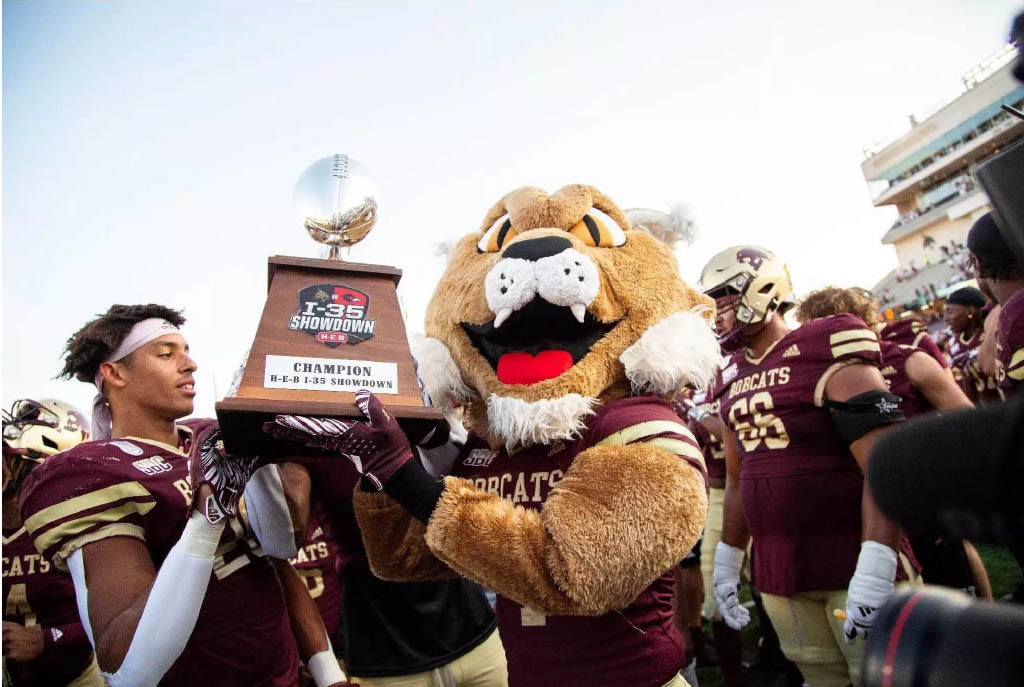
    Here’s Why G.J. Kinne’s Texas State Transformation Goes Deeper Than Anyone Realizes

    While most analysts recognized Texas State as preseason favorites, what they missed is the deeper transformation Kinne is building—one that goes far beyond predictions and win totals.

    They see G.J. Kinne’s 1.637 hot seat rating and think: “Solid coach, nice story, probably sustainable.” What they’re looking at is the beginning of something much bigger.

    The Numbers Don’t Lie (But They Don’t Tell The Whole Story Either)

    Here’s what everyone knows:

    • 16-10 overall record in two FBS seasons
    • Back-to-back 8-5 campaigns
    • .615 winning percentage against weak competition
    • 2nd-highest rating in the Sun Belt Conference
    • $2 million annual contract extension through 2031

    Here’s what they’re missing:

    Texas State had never won a bowl game as an FBS program before Kinne arrived. Not once. In 12 years. The program was so irrelevant that when Jake Spavital got fired after going 13-35, most people couldn’t even name Texas State’s conference.

    Now they’re back-to-back bowl winners with the highest-paid coach in the Sun Belt.

    That’s not incremental improvement—that’s transformation.

    The McCloud Experiment That Changed Everything

    Quarterback was a revolving door before McCloud—a reality that made his arrival all the more pivotal in solidifying the offense and raising the program’s ceiling.

    When Jordan McCloud entered the transfer portal after South Florida, every Sun Belt coach wanted him. He was the reigning conference Player of the Year with 3,000+ passing yards, dual-threat capability, and a proven track record. Most coaches would have pitched tradition, facilities, or playing time. Kinne pitched something different: “Come help us build something nobody expects.”

    McCloud bought in, and the results speak for themselves:

    • 273 completions on 389 attempts
    • 3,227 passing yards
    • 30 touchdown passes
    • 70.2% completion rate
    • 278 rushing yards and 7 rushing touchdowns

    But here’s the part that matters most: Texas State entered 2024 with sky-high expectations as Sun Belt favorites. While they came up just short of a conference title, the program’s trajectory remains upward. In wins, Texas State averaged 523.4 yards per game. In losses, that number dropped to 402.6 yards. The difference wasn’t talent—it was system execution under pressure.

    When Kinne’s offense operated correctly, they were unstoppable.

    The Roster Revolution Nobody Saw Coming

    While other coaches complain about the transfer portal, Kinne turned it into a weapon.

    After McCloud exhausted his eligibility, most programs would have panicked. Kinne added three experienced quarterbacks while maintaining cultural standards that separate his program from desperate portal fishing:

    • Gevani McCoy (Oregon State transfer)
    • Holden Geriner (Auburn transfer)
    • Nate Yarnell (Pittsburgh transfer)
    • Brad Jackson (returning sophomore)

    “This is an open competition and none of those guys got NIL money to come here,” Kinne explained. “This is an opportunity to come prove yourself to be the guy.”

    While Texas State athletes do benefit from NIL, several quarterback transfers chose the program for its culture and opportunity—not as an NIL bidding war.

    That’s not just roster management—that’s cultural design.

    The Statistical Story That Reveals Everything

    The numbers tell you exactly where Texas State stands and where they’re headed.

    Offensive Production (2024):

    • 208.2 rushing yards per game
    • 268.7 passing yards per game
    • 476.9 total yards per game
    • 36.5 points per game

    The Critical Wins vs. Losses Split:

    In 8 wins:

    • 7.1 yards per play
    • 245.5 rushing yards per game
    • 2.8 rushing touchdowns per game

    In 5 losses:

    • 5.5 yards per play
    • 148.6 rushing yards per game
    • 1.0 rushing touchdowns per game

    See the pattern? When Texas State could run the ball, they dominated. When they couldn’t, they became one-dimensional. But here’s what’s interesting: their passing numbers stayed relatively consistent (277.9 yards in wins vs. 254.0 in losses).

    The problem wasn’t the passing game—it was balance.

    The Defense Nobody Talks About

    Everyone focuses on Kinne’s offensive background, but they should be watching the defensive improvements.

    Defensive splits tell the real story:

    In Wins:

    • 332.5 yards allowed per game
    • 109.8 rushing yards allowed per game

    In Losses:

    • 397.8 yards allowed per game
    • 196.2 rushing yards allowed per game

    When Texas State stopped the run, they won. When they didn’t, they lost. It’s that simple. Returning defensive anchor Kalil Alexander (6.5 sacks, 11 tackles for loss) plus veteran secondary leaders Ryan Nolan and Bobby Crosby provide the foundation.

    But the real improvement will come from depth, and depth comes from recruiting.

    The Contract Extension That Changes Everything

    November 2024: Texas State extends Kinne through 2031.

    Seven years. $14 million total. Highest-paid coach in the Sun Belt. That’s not just financial commitment—that’s institutional belief. “We’ve been impressed with his leadership and ability to quickly establish a culture that elevates the experience of our student-athletes,” Athletic Director Don Coryell said.

    Translation: “We think this is just the beginning.”

    The extension came before the 2024 season ended. Before bowl eligibility was secured. Before the final evaluation was complete.

    That tells you everything about where Texas State thinks this program is heading.

    The 2025 Schedule Reality Check

    Here’s where things get interesting for Kinne’s third season.

    The schedule includes legitimate tests that will reveal whether the improvement is sustainable:

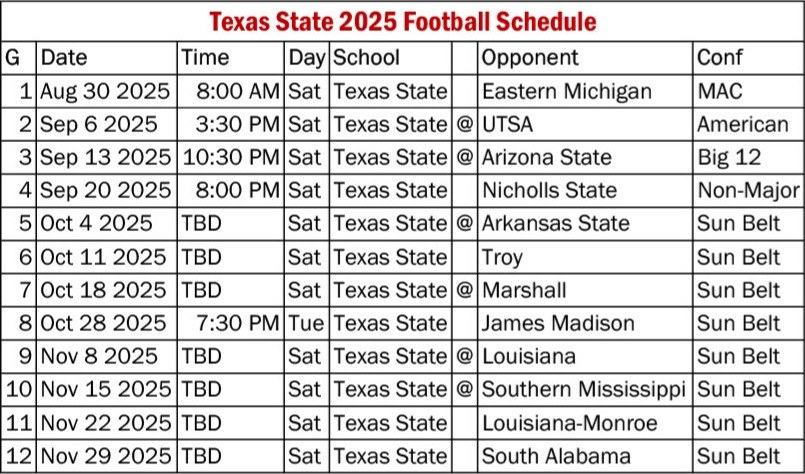
    • Road trip to Arizona State (Big 12 opponent)
    • Home game against UTSA (American Conference)
    • Sun Belt opponents that finished above .500

    This isn’t the cupcake schedule that artificially inflated early records. These are prove-it games. Win 6-7 games against this schedule, and Texas State establishes itself as a legitimate program. Win 8-9 games, and they become a conference championship contender.

    Win 10+ games, and Kinne becomes a Power Four candidate.

    The Recruiting Philosophy That’s Working

    Most coaches talk about “building culture,” but Kinne does it.

    “We’re always going to recruit Texas high school kids, and that’s really going to be the foundation of our program,” he explained. “I think that part was missing before we got here.” But he supplements high school recruiting with strategic transfer additions—not panic moves, but strategic additions.

    The difference matters:

    • High school kids provide the cultural foundation
    • Transfers fill immediate needs
    • Together, they create competitive balance faster than traditional recruiting cycles allow

    This approach addresses previous recruiting deficiencies that left Texas State competing for players other programs overlooked.

    The Hot Seat Rating That Tells The Truth

    1.637—That number represents a coach significantly exceeding expectations.

    For context:

    • Above 1.0 = exceeding expectations
    • Below 0.5 = termination pressure
    • 1.637 = exceptional performance

    The “.615 winning percentage against weak competition” qualifier misses the bigger picture. Texas State wasn’t beating weak competition before Kinne arrived—they were losing to everyone. Now they’re winning consistently enough to worry about strength of schedule.

    That’s progress worth recognizing.

    The Future Nobody Wants To Admit

    Here’s what’s about to happen based on the current trajectory:

    Year 3 (2025): 7-8 wins, bowl eligible again. Year 4 (2026): Conference championship contention
    Year 5 (2027): Power Four interest begins

    The infrastructure is already in place:

    • $11.6 million indoor practice facility under construction
    • Highest coaching salary in conference
    • Proven system that develops players
    • Recruiting momentum in talent-rich Texas
    • Institutional commitment at the highest levels

    Most importantly, Texas State isn’t treating this like an experiment anymore—they’re treating it like an investment.

    Why Everyone Else Is Missing The Point

    College football analysts love to debate “ceilings” and “realistic expectations,” but they’re asking the wrong questions.

    The right question isn’t: “How good can Texas State become?” The right question is: “How quickly can Kinne build sustainable excellence?” Based on the evidence, the answer is: Faster than anyone expects.

    The Bottom Line

    G.J. Kinne’s hot seat rating of 1.637 doesn’t just indicate job security—it indicates transformation in progress.

    Texas State went from irrelevant to bowl winner in Year 1. From bowl winner to consistent winner in Year 2. Year 3 is about proving they belong in bigger conversations. And based on everything we’ve seen so far, they’re ahead of schedule.

    Hot Seat Temperature: Sub-zero. Kinne isn’t just safe—he’s building something special that nobody else saw coming.

    The only question left is how long it takes everyone else to catch up.

    Want to know which other “under the radar” coaches are about to be on the hot seat?

    I track the real hot seats (not just the obvious ones) every Friday in my free newsletter.

    Join thousands of readers who get the stories before they become headlines: Coaches Hot Seat Insider.

    No related posts found.

    LOAD MORE BLOG ARTICLES

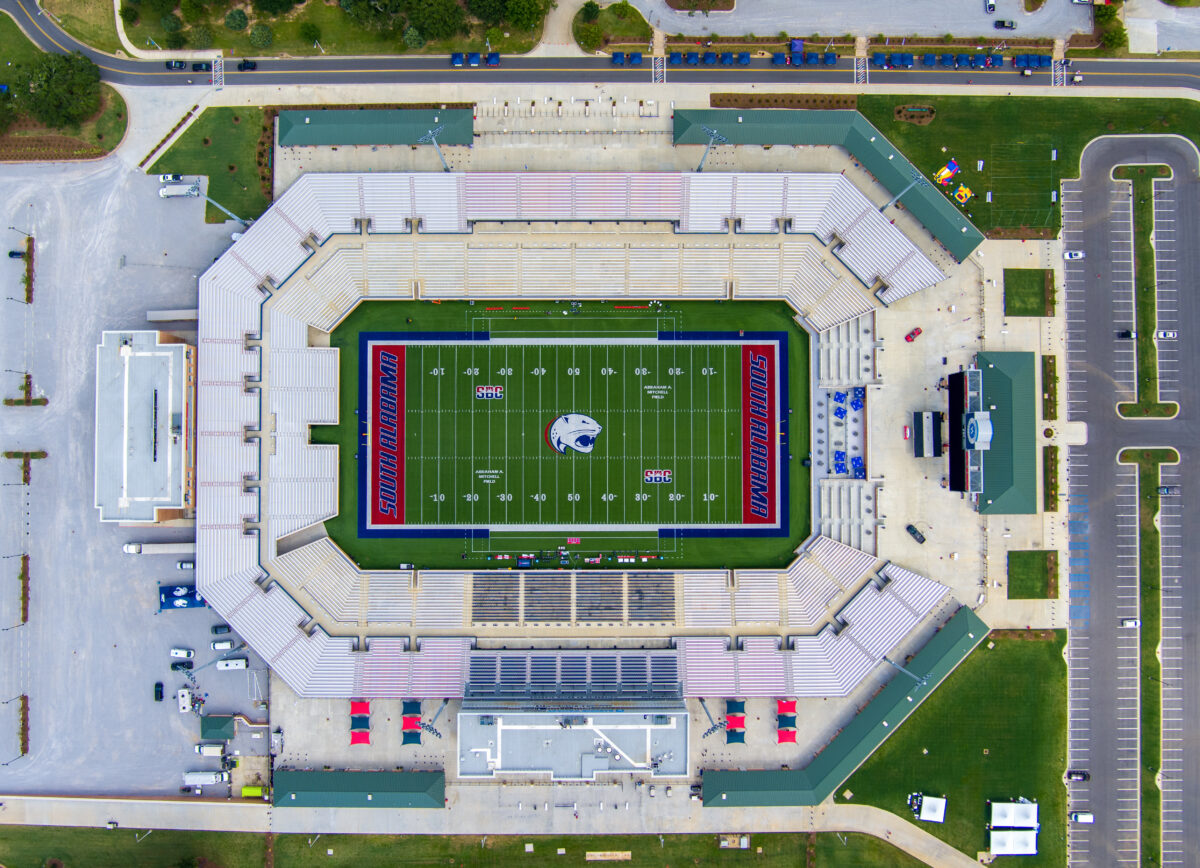
    Why Major Applewhite’s Massive Roster Turnover and Houston Failure Make 2025 His Most Critical Season at South Alabama

    Most college football fans have no idea what happened at South Alabama in 2024.

    They went 7-6. They won their bowl game. They kept the program moving forward after their previous coach left for Alabama. But here’s what the numbers don’t tell you: Major Applewhite is sitting on the most precarious coaching throne in college football.

    His hot seat rating? 1.224

    His winning percentage against weak competition? .538

    And 2025 is about to expose whether he’s actually a head coach or just an offensive coordinator who got lucky for one season.

    The Houston Disaster That Everyone Conveniently Forgot

    Let me give you the brutal truth about Applewhite’s track record.

    At Houston (2017-2018), he compiled a resume of failure that should terrify every South Alabama fan. The numbers don’t lie: 15-11 record with three bowl losses. The final game was a 70-14 demolition by Army that ended his career in humiliating fashion: two seasons, zero meaningful wins, and a pink slip.

    “After a thorough evaluation of our football program, it is my assessment that our future opportunities for success are better addressed by making this very difficult decision now,” Houston athletic director Chris Pezman said when he axed Applewhite.

    That wasn’t coach-speak.

    That was a public execution.

    And now South Alabama is betting its program on the same guy who couldn’t win the games that mattered at Houston.

    The 2024 Numbers Game: Good Stats, Bad Questions

    Applewhite’s first season looked decent on paper.

    The offensive production validated his reputation as a skilled play-caller. South Alabama averaged 442.2 yards per game and 32.4 points per game, showcasing the balanced attack that made him famous as a coordinator. QB Gio Lopez completed passes at a 66% clip for 2,559 yards, 18 touchdowns, and just five interceptions. The backfield duo of Fluff Bothwell (832 yards, 13 TDs) and Kentrel Bullock (831 yards, 7 TDs) formed one of the Sun Belt’s most productive tandems. WR Jamaal Pritchett’s 1,127 receiving yards and nine touchdowns provided the explosive element that stretched defenses.

    Those are legitimately impressive numbers.

    But here’s where it gets interesting.

    The defense was a complete disaster. South Alabama allowed 391 yards per game, ranking 67th nationally, while surrendering 25.2 points per game. The pass defense gave up 248.8 yards through the air while allowing a 64.7% completion rate. Most telling was the situational breakdown: 482 total yards allowed per game in losses compared to just 313 in wins.

    You know what this tells me?

    Applewhite can still coordinate an offense.

    But he has zero clue how to build a complete football program.

    The Personnel Exodus That Changes Everything

    Here’s where Applewhite’s 2025 gets terrifying.

    The roster turnover isn’t normal attrition—it’s a complete program reset. Gone are the key contributors who made 2024’s offensive success possible:

    • Gio Lopez (QB) – 2,559 passing yards
    • Fluff Bothwell (RB) – 832 yards, 13 TDs
    • Jamaal Pritchett (WR) – 1,127 receiving yards
    • Blayne Myrick (LB) – 101 tackles, team leader
    • Jaden Voisin (S) – 83 tackles, 5 INTs

    This level of personnel exodus exposes the fundamental challenge every coordinator-turned-head coach faces.

    Inheriting talent is easy.

    Developing talent is hard.

    And now Applewhite has to prove he can 9coach players instead of just calling plays for inherited superstars.

    The Quarterback Situation Is Terrifying

    Want to know how screwed South Alabama is at the most critical position?

    The 2025 quarterback room reads like a coaching nightmare. Bishop Davenport returns with just 606 yards and three touchdowns in limited 2024 action. Transfer Zach Pyron brings Georgia Tech experience but remains completely unknown in Applewhite’s system. Two true freshmen round out the depth chart with zero college snaps between them. This isn’t depth—this is desperation.

    Applewhite’s entire offensive philosophy requires precision timing and decision-making.

    You know what doesn’t have precision timing?

    Inexperienced quarterbacks learning a new system.

    This is going to be ugly.

    The Infrastructure Investment That Raises The Stakes

    South Alabama just broke ground on an $11.6 million indoor practice facility.

    The administration is paying Applewhite a competitive salary while investing serious resources in football infrastructure. They’re betting big on this experiment with state-of-the-art facilities designed to attract recruits and demonstrate program commitment. The message is clear: South Alabama views itself as more than a transitional program waiting for the next coaching search.

    But here’s what nobody wants to admit.

    Facilities don’t win games.

    Coaches do.

    And Applewhite still hasn’t proven he can coach a team to sustained success.

    The Defensive Coordinator Gamble That Could Save His Career

    Applewhite hired Will Windham as defensive coordinator, implementing a 4-2-5 scheme designed to counter modern Sun Belt passing attacks.

    This might be the decision that makes or breaks his tenure. The 2024 defense allowed 391 yards per game and collapsed completely in losses, surrendering 482 yards per game compared to just 313 in wins. Windham’s system should theoretically address those pass defense struggles while utilizing returning linebacker talent like Darius McKenzie (72 tackles) and safety Wesley Miller (59 tackles, 3 interceptions).

    If Windham can field even an average defense, Applewhite’s offensive system has enough firepower to win games.

    If the defense remains porous, no amount of offensive creativity will matter.

    The defensive line features no returning starters, creating uncertainty about pass rush generation and run-stopping ability, but experienced coordinator hires sometimes work magic with overlooked talent.

    The Player Development Test That Defines Everything

    Here’s the fundamental question that will determine Applewhite’s future at South Alabama.

    Can he develop players, or does he only succeed with inherited talent? In 2024, he inherited Gio Lopez, Fluff Bothwell, and Jamaal Pritchett—proven performers who made his offensive system look brilliant. Now those players are gone, replaced by unknowns who need coaching, development, and time to master complex concepts.

    This is where coordinator-turned-head coaches usually fail.

    Calling plays for established stars is entirely different from teaching fundamentals to raw prospects.

    If Bishop Davenport develops into a reliable starter, if the young receivers learn to create separation, if the offensive line gels despite personnel changes, then Applewhite proves he can coach. But if the offense sputters while he searches for answers, it exposes the difference between game-planning and program-building.

    The 2025 season will reveal whether South Alabama hired a coach or just rented a coordinator.

    The Hot Seat Mathematics That Don’t Lie

    Here’s the deal with that 1.224 hot seat rating.

    It means he’s currently exceeding expectations despite a .538 winning percentage against weak competition. The rating reflects unusual positioning for a second-year coach—performing above projections while facing fundamental questions about sustainable progress. The disconnect reveals the complexity of evaluating coaches who inherit successful programs amid significant roster turnover.

    But expectations change fast in college football.

    Year Two demands specific deliverables:

    • Bowl game appearance (minimum standard)
    • Competitive games against quality opponents
    • Proof that 2024 wasn’t just inherited momentum from Wommack’s culture

    Miss any of those benchmarks?

    The hot seat gets scorching.

    Why 2025 Will Define Applewhite’s Career

    Most coaches get a honeymoon period.

    Applewhite’s honeymoon ended the moment he signed that contract. South Alabama fans tasted success under Wommack with 10 wins in 2022 and their first bowl victory in 2023. They experienced championship-level expectations for the first time in program history. They’re not going backwards willingly, and administrative patience has limits when infrastructure investments demand returns.

    The fan base won’t accept moral victories or moral victories disguised as “building for the future.”

    They want results.

    And suppose Applewhite can’t prove he’s more than just an offensive coordinator playing dress-up as a head coach. In that case, South Alabama will find someone who can deliver sustained success rather than inherited momentum.

    The Bottom Line:

    Major Applewhite has all the tools to succeed at South Alabama.

    Administrative support, infrastructure investment, and recent program success provide the foundation for sustained growth. The $11.6 million facility investment demonstrates institutional commitment that most Group of Five programs lack. His offensive coordinator credentials remain legitimate, and his recruiting connections throughout Texas and the Southeast create pipeline opportunities for talent acquisition.

    But he also has all the warning signs of a coordinator who’s in over his head.

    Massive roster turnover, unproven ability to develop players, defensive struggles that undermine offensive success, and previous head coaching failure at a higher level create doubt about long-term viability. The quarterback situation threatens offensive consistency, while the cultural transition from Wommack’s defensive identity requires time that impatient fan bases rarely provide.

    2025 isn’t just about bowl eligibility.

    It’s about whether Major Applewhite can coach.

    Hot Seat Temperature: Warm but stable. Infrastructure investment and administrative support provide a cushion, but 2025 results will determine whether he builds on Year One’s success or starts trending toward the exit.


    “The coach who exceeds low expectations while failing high standards walks a tightrope made of borrowed time. Success today does not guarantee tomorrow’s job security when yesterday’s failures cast long shadows.”

    Translation: Applewhite is currently performing above what people expected from a first-year coach taking over a program in transition. But that 1.224 rating means he’s living on borrowed credibility—one bad season drops him below the critical 1.0 threshold where expectations meet reality, and athletic directors start making phone calls.

    Want to know which other “under the radar” coaches are about to be on the hot seat?

    I track the real hot seats (not just the obvious ones) every Friday in my free newsletter.

    Join thousands of readers who get the stories before they become headlines: Coaches Hot Seat Insider.

    No related posts found.

    LOAD MORE BLOG ARTICLES

    Louisiana Coach Michael Desormeaux Faces Make-Or-Break 2025 Season After Losing All-Star Players From 10-Win Team

    Here’s what nobody wants to admit about Louisiana football: The 2024 season was a mirage.

    Michael Desormeaux’s 10-4 record and Sun Belt Coach of the Year award look impressive in the trophy case. His hot seat rating of 1.171 suggests a coach exceeding expectations. The five-year contract extension through 2029 screams institutional confidence.

    But strip away the narrative, and you’ll find something far more troubling.

    Louisiana’s “breakthrough” season collapsed the moment it faced real competition.

    The 6-Point Season That Exposed Everything

    Two games told the entire story.

    Louisiana scored six total points in their two most important games of 2024—a 3-31 humiliation against Marshall in the Sun Belt Championship and a 3-34 embarrassment against TCU in the New Mexico Bowl. When the lights got brightest, when the stakes mattered most, Louisiana’s offense didn’t just struggle.

    It disappeared entirely.

    The numbers reveal the systematic breakdown:

    • Against Marshall and TCU: 232 total yards per game
    • Season average: 415.1 yards per game
    • Championship/bowl offensive production: 56% decrease
    • First downs in crucial games: 6.5 per game average
    • Season first downs average: 20.7 per game

    Ben Wooldridge, the Sun Belt Offensive Player of the Year with 2,453 passing yards and 66% completion rate, looked like he’d never seen a football before when it mattered most.

    This wasn’t bad luck—this was a coaching staff getting completely outclassed when preparation mattered most.

    The Inherited Talent Truth Everyone’s Ignoring

    Here’s the uncomfortable reality about Desormeaux’s 23-18 overall record.

    Every single impact player who made Louisiana successful in 2024 was recruited and developed under Billy Napier’s system. Look at the proof:

    • Ben Wooldridge: Napier recruit, Sun Belt Offensive Player of the Year
    • Kenneth Almendares: Napier recruit, Lou Groza Award winner (28/31 FGs)
    • Zylan Perry: Napier recruit, 695 yards rushing
    • K.C. Ossai: Napier recruit, 115 tackles
    • All starting offensive linemen: Napier recruits

    Louisiana’s 15 All-Sun Belt selections, the most in program history, represented the final remnants of Napier’s championship-caliber recruiting classes.

    Desormeaux inherited a championship-caliber roster and managed to go 6-0 on the road while completely choking in the two games that defined the season.

    The real test starts now.

    2025: The Year Desormeaux’s Coaching Gets Exposed

    Louisiana enters 2025 facing the most critical roster turnover in recent program history.

    Gone from 2024’s success:

    • Ben Wooldridge (QB): 2,453 yards, 17 TDs
    • Kenneth Almendares (K): 90.3% field goal accuracy, Lou Groza winner
    • Lance Legendre (WR): 826 receiving yards, 16.9 average per catch
    • Jacob Bernard (WR): 375 yards, reliable target
    • K.C. Ossai (LB): 115 tackles, defensive leader
    • Tyrone Lewis Jr. (S): 4 interceptions
    • Chandler Fields (QB): 897 yards, 72.4% completion rate

    What’s left:

    • Zylan Perry: 695 rushing yards, 6.2 average
    • Some offensive line continuity
    • Defensive pieces with limited experience
    • Question marks at every skill position

    Every single player who made Desormeaux look competent in 2024 has exhausted their eligibility.

    This is what happens when you’re managing talent instead of developing it.

    The Walker Howard Disaster Nobody Saw Coming

    Louisiana fans are celebrating Walker Howard’s homecoming like it’s the second coming of Joe Burrow.

    Here’s the reality they’re ignoring: Howard has completed 10 career passes for 63 yards in three college seasons.

    Ten. Passes. In three years.

    The former five-star recruit’s college journey reveals everything:

    • At LSU (2022): 2-of-4 passing, 7 yards, couldn’t beat out backups
    • At Ole Miss (2023): 3-of-4 passing, 56 yards in limited action
    • At Ole Miss (2024): 0 completions, couldn’t earn playing time

    Lane Kiffin, who turned Matt Corral into an NFL draft pick and developed Jaxson Dart into a productive starter, couldn’t find ways to get Howard meaningful snaps in two full seasons.

    But somehow, Michael Desormeaux is going to unlock this mystery?

    The quarterback room now features Howard competing with redshirt freshman D’Wayne Winfield and Daniel Beale.

    This isn’t depth—this is desperation.

    The Schedule That Will Expose Every Weakness

    Louisiana’s 2025 schedule starts with a friendly before becoming brutal.

    Early opportunities:

    • Rice (home opener)
    • McNeese State (home)
    • These games should build confidence for the rebuilt roster

    Reality check begins:

    • At Missouri, SEC competition that will expose talent gaps
    • At Troy: Road test against Sun Belt contender
    • At James Madison: Another dangerous road game
    • At South Alabama: Program with postseason aspirations
    • At Arkansas State: Final road test

    Remember: This coaching staff got outscored 65-6 in its two biggest games of 2024 with superior talent.

    Now they’re facing elevated competition with inferior personnel and zero proven leadership.

    The Culture Problem Nobody’s Discussing

    Championship programs perform when pressure increases.

    Desormeaux’s teams wilt under scrutiny. The evidence speaks for itself:

    Regular season success (2024):

    • 6-0 road record (second in program history)
    • 7-2 Sun Belt play
    • 30.9 points per game
    • One of six FBS teams with a perfect road record

    High-stakes failure (2024):

    • Sun Belt Championship: 3-31 loss to Marshall
    • New Mexico Bowl: 3-34 loss to TCU
    • Total points in crucial games: 6
    • Total yards in crucial games: 464

    Billy Napier’s Louisiana teams consistently delivered in crucial moments through conference championships and meaningful bowl victories.

    Desormeaux’s signature moments involve getting shut out when everything’s on the line.

    Culture isn’t built through regular-season success against inferior competition—culture reveals itself when circumstances become impossible.

    The Recruiting Smoke Screen

    Desormeaux’s recruiting efforts look impressive on paper, but miss the crucial point.

    Recruiting and developing are completely different skills:

    • Position coaches excel at maximizing individual talent
    • Head coaches must build organizational systems that elevate collective performance
    • Coordinators focus on scheme execution
    • Program builders create sustainable competitive advantages

    Desormeaux spent years perfecting tight end techniques under Napier. Now he’s responsible for program architecture, staff management, game-day decision making, and cultural development.

    His .561 winning percentage against weak competition over four years suggests a coach who can manage talent but struggles to create sustainable advantages.

    The 2024 season confirmed this pattern—success against beatable opponents, complete failure when facing equivalent or superior coaching.

    The Contract Extension That Makes No Sense

    Louisiana’s administration awarded Desormeaux a five-year extension through 2029 based on one successful regular season.

    This decision represents either institutional patience or administrative panic.

    The extension timeline doesn’t match college football reality:

    • Programs rarely provide extended timelines for unproven coaches
    • Fan expectations increase with contract investments
    • Recruiting momentum depends on job security perception
    • Bowl eligibility becomes a minimum expectation, not an achievement

    Desormeaux has shown he can manage inherited talent and recruit adequately, but he hasn’t demonstrated the ability to develop systems that transcend personnel limitations.

    The extension protects Louisiana from coaching searches while potentially locking them into mediocrity.

    What 2025 Actually Means For Louisiana

    The upcoming season represents Desormeaux’s first authentic coaching evaluation.

    Success indicators:

    • Bowl eligibility with an inexperienced roster
    • Competitive games against quality opponents
    • Evidence of player development beyond inherited talent
    • Performance improvement in high-pressure situations

    Failure indicators:

    • Regression from 2024’s win total
    • Blowout losses to superior competition
    • Continued struggles in crucial moments
    • Lack of offensive identity without proven playmakers

    Louisiana fans deserve authentic evaluation, not comfortable narratives about moral victories.

    The program invested serious resources in facilities and coaching salaries based on 2024’s regular season success—that investment deserves an honest assessment.

    The Bottom Line Nobody Wants To Hear

    Michael Desormeaux inherited a championship-caliber roster and managed it to regular-season success before choking spectacularly when the stakes increased.

    Now he gets to prove whether he can coach.

    The massive roster turnover eliminates every excuse:

    • No more Napier recruits to lean on
    • No more proven playmakers to mask scheme limitations
    • No more experienced leadership to stabilize crucial moments
    • No more talent advantages to overcome coaching deficiencies

    Walker Howard’s addition provides potential upside but doesn’t address systematic coaching concerns. The schedule will expose weaknesses that superior competition always reveals.

    Louisiana’s 2025 season will determine whether Desormeaux represents the program’s future or merely its most expensive mistake.

    The hot seat temperature remains cool due to the recent contract extension, but college football rarely affords extended timelines for coaches to prove competence.

    Year four becomes definitive—success validates the investment, failure reveals the truth everyone’s been avoiding.

    Michael Desormeaux is about to find out if he can coach, or if he’s been managing other people’s talent all along.

    Want to know which other “under the radar” coaches are about to be on the hot seat?

    I track the real hot seats (not just the obvious ones) every Friday in my free newsletter.

    Join thousands of readers who get the stories before they become headlines: Coaches Hot Seat Insider.

    No related posts found.

    LOAD MORE BLOG ARTICLES